Peanut oil
မြေပဲဆီ
Not just the medium but part of the flavor — the oil Burmese curries float on, by design.
Also answers to: groundnut oil · myay pe si
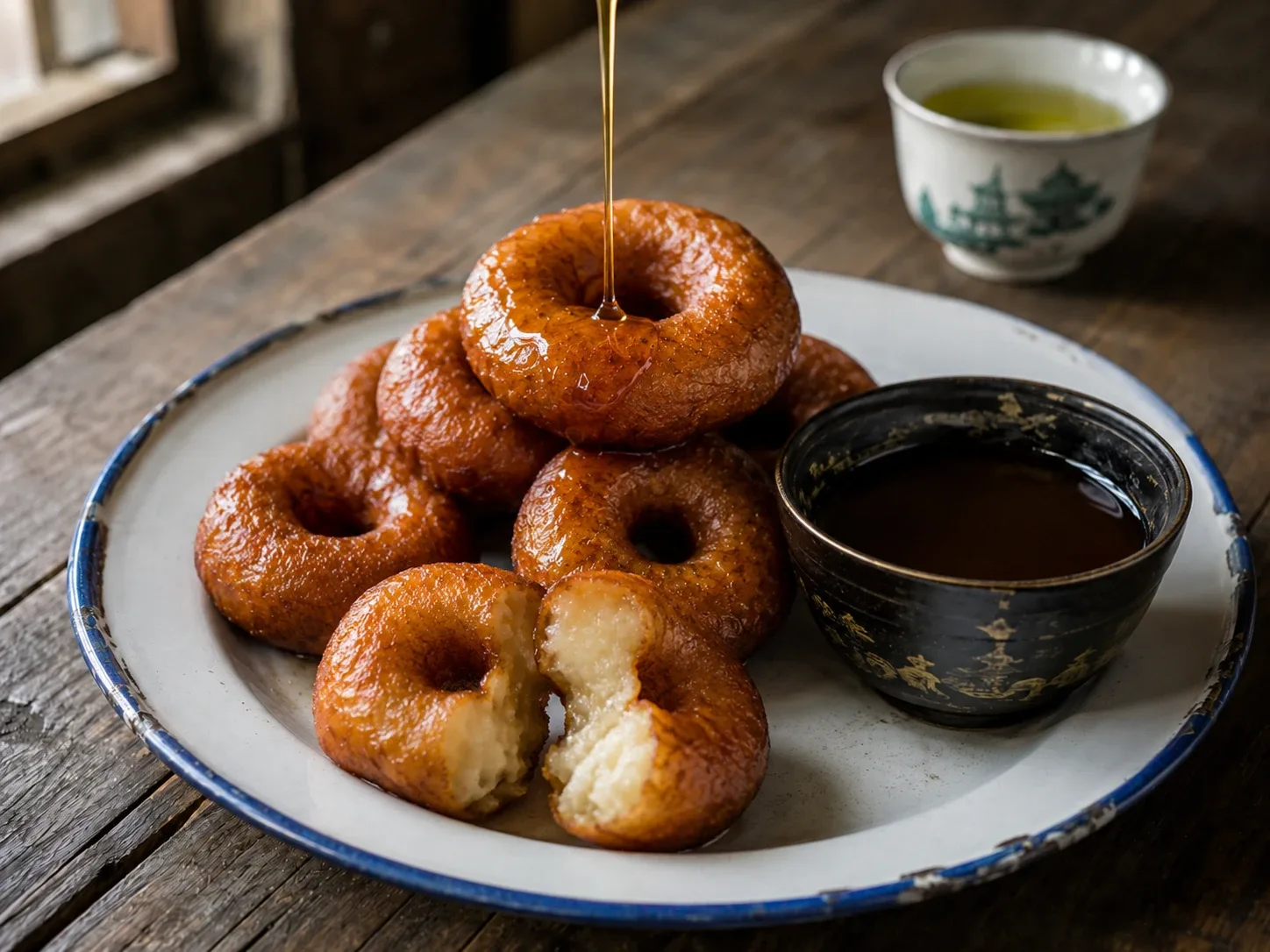
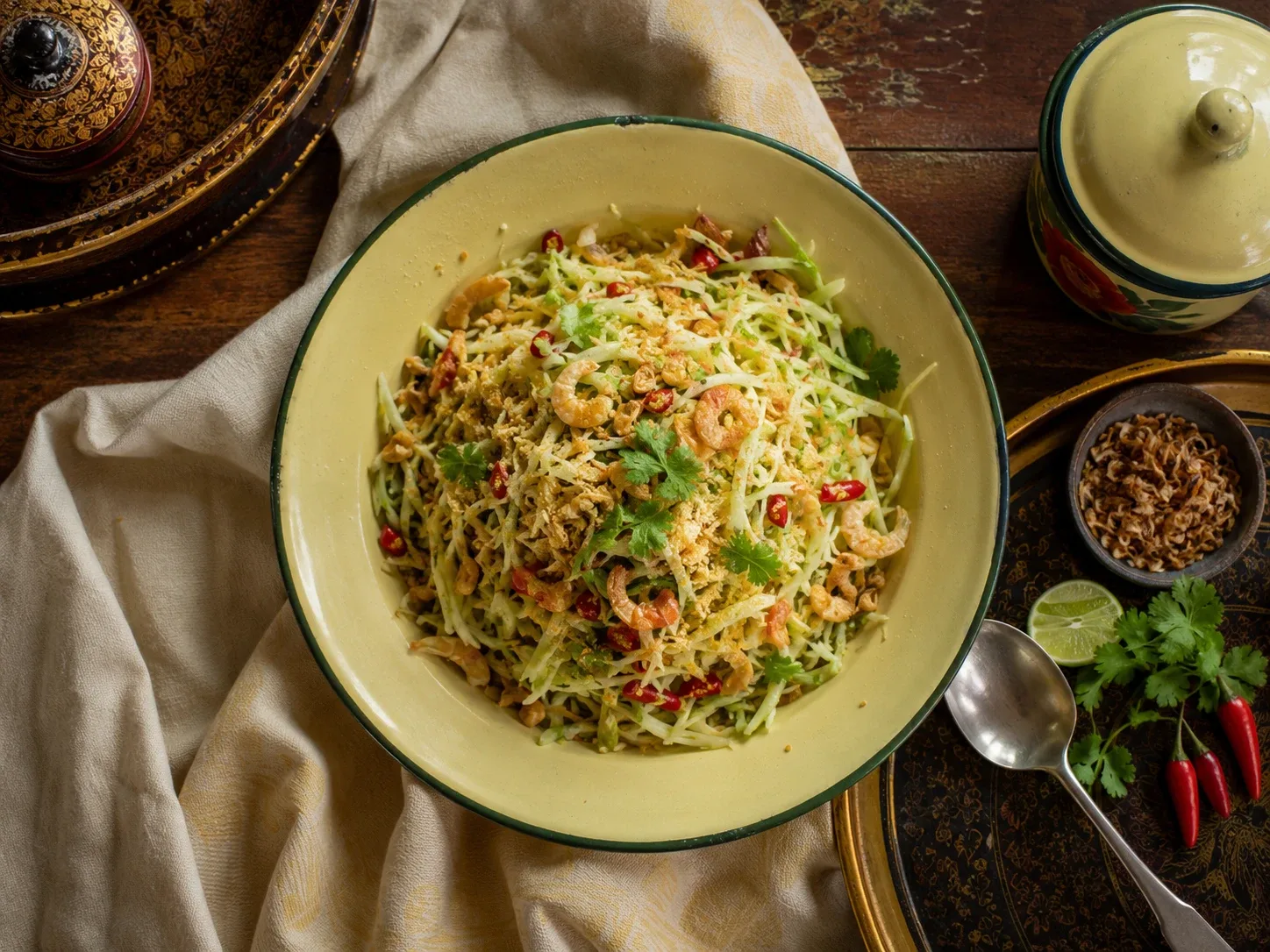
It may seem strange to file an oil among the spices, but in Burmese cooking peanut oil earns the spot: it is a flavor, not just a vehicle. Myanmar’s central dry zone grows peanuts in quantity, and the pressed oil — nutty, faintly sweet, sturdy at high heat — became the default cooking fat of the national kitchen. Curries are fried in it, fritters are deep-fried in it, salads are dressed with it, and the fried shallots, garlic, and chili oils that finish everything are all built on it. Swap in a truly neutral oil and Burmese food still works, but a quiet warm undertone goes missing.
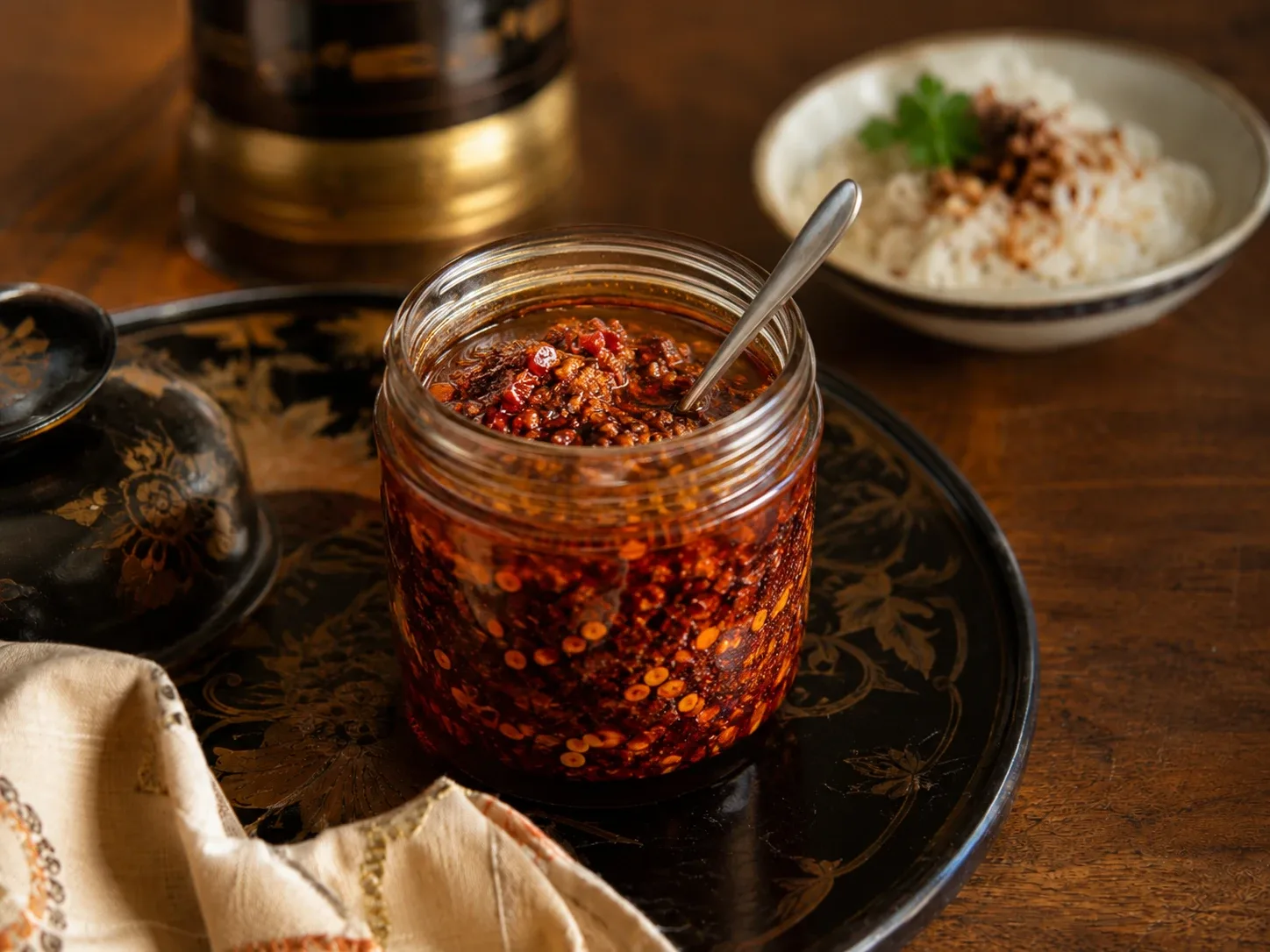
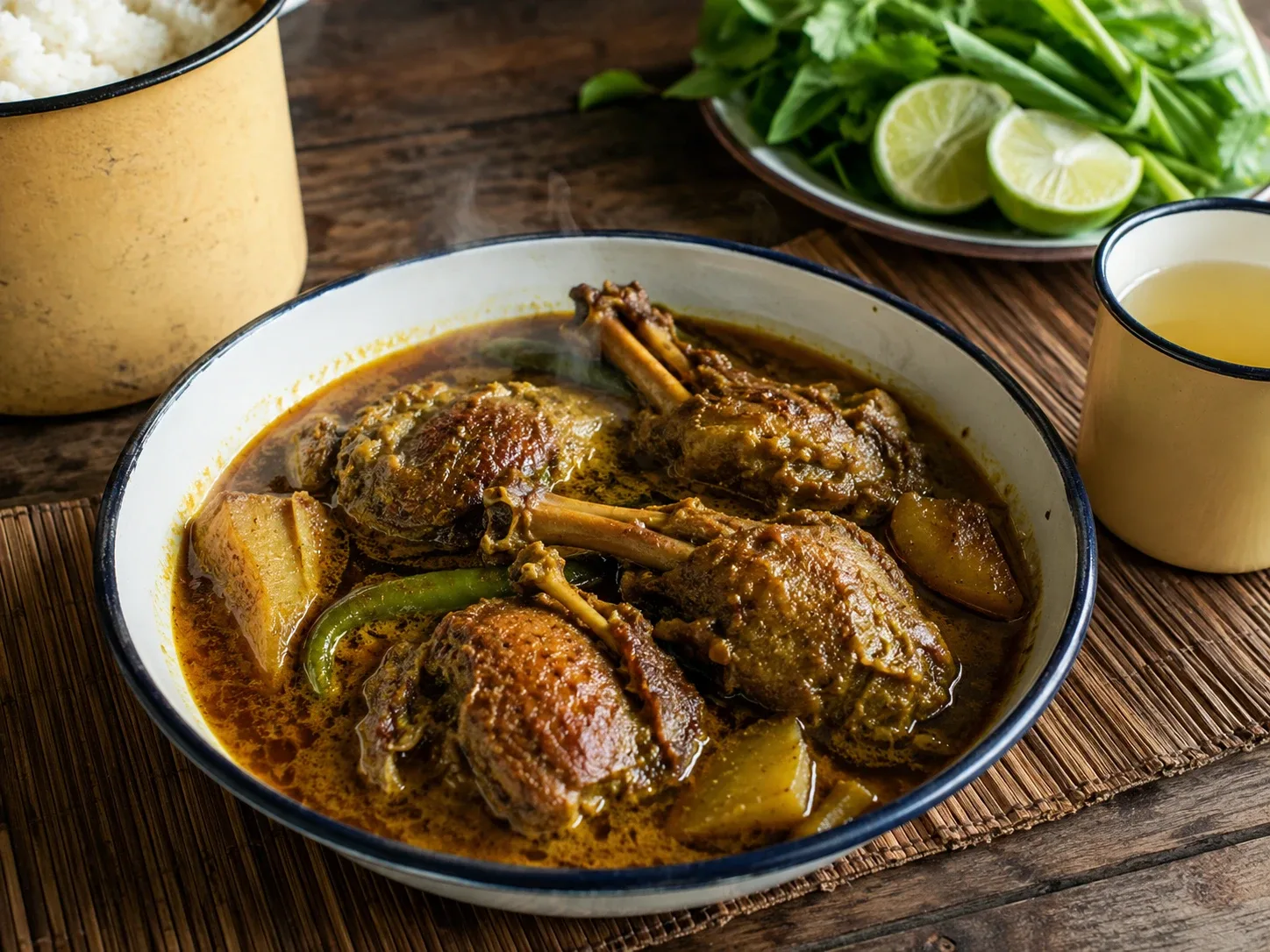
The oil also defines the cuisine’s most distinctive visual: hsi pyan, "the oil returns," the moment when a curry that began as a rough slick of oil and pounded aromatics has cooked down far enough that the water is gone and the oil separates back out, rising to float on top in a red-gold layer. In the Burmese grammar of cooking, that returned oil is not grease to be blotted — it is proof the curry is done, a seal that preserves the pot, and the best part to spoon over rice. A cuisine that reads oil as evidence rather than excess needs an oil worth reading.
Sesame oil historically shared the role — the dry zone grows sesame too, and some cooks and regions still favor it — but over the last century peanut oil largely won the everyday kitchen. Claims about exactly when and why are the hedged kind; the present tense is not.
Choosing itရွေးချယ်ခြင်း
There are two products under one name. Refined peanut oil — the common Western supermarket kind — is pale, nearly neutral, and superb for deep-frying, but carries little peanut character; it is the right buy for fritters and general cooking. Cold-pressed or roasted peanut oil, found at Chinese and Southeast Asian grocers, is darker, loudly nutty, and closer to what a Burmese market bottle tastes like — better for salads, finishing, and curries where the oil is meant to be tasted. A sensible kitchen keeps the refined kind by the liter and the fragrant kind by the small bottle. For peanut allergies, rice bran or canola with a spoon of toasted sesame oil borrows the warmth honestly.
Keeping itသိမ်းဆည်းခြင်း
A dark cupboard away from the stove, tightly capped — heat, light, and air are what turn oil rancid, and the worst place for the bottle is the convenient shelf above the burners. Refined peanut oil holds a year or more unopened and six months or so once open; cold-pressed keeps a shorter leash, and the fridge extends it at the cost of clouding, which clears at room temperature and harms nothing. Trust your nose: rancid oil smells like old crayons and cannot be cooked back to health. Oil used for deep-frying can be strained and reused a few times for frying, but never promote it back to salad duty.
In the potမီးဖိုချောင်တွင်
Generously, and without apology — Burmese recipes start with more oil than Western instincts allow, because the oil is doing structural work: it fries the aromatic paste, carries the turmeric and chili color, and must be plentiful enough to return at the end and show you the curry is done. Use it for the low, patient frying of shallots and garlic, where its stability forgives long cooking; for deep-frying fritters at a hard heat; and, in its fragrant cold-pressed form, spooned raw over salads and noodle dishes as a dressing in its own right. When a recipe here says the oil should return, this is the oil it means.
ဝယ်ယူရန် · Getting it
Buy the real thing
Peanut oil — shelf-stable and shippable, unlike most of the fresh aisle.
Find it on AmazonCan’t get it? Honest swaps
- Rice bran or canola + a spoon of toasted sesame oilGood
ဟင်းလျာများ · Cooked with it