Toh Sa Yar, the Vegetable & Ngapi Platter
တို့စရာ
The platter of raw and blanched vegetables around a pungent ngapi dip that no Burmese meal is complete without — the fresh, bitter counterpoint to curry.
Also spelled: Toh Sayar · Toh Zya
By Burmese Cookbook Kitchen · July 10, 2026
 ၁
၁- Prep
- 25 min
- Cook
- 15 min
- Serves
- 5
- Level
- Beginner
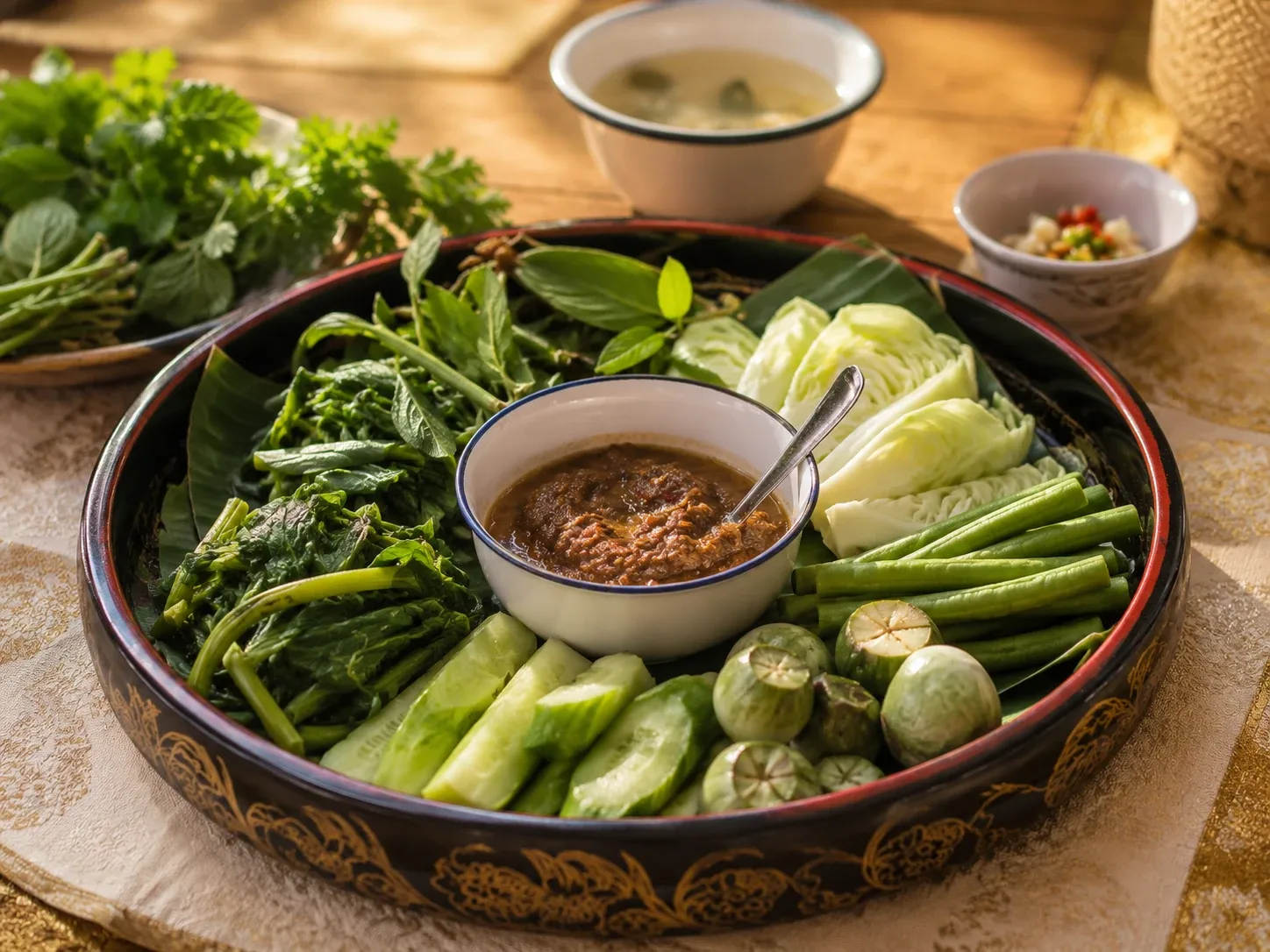
Ask what makes a Burmese meal Burmese and the answer, more often than the curry itself, is the plate of vegetables beside it. Toh sa yar — "things to dip" — is the platter of raw and lightly blanched vegetables arranged around a pungent pounded-ngapi dip, and no meal of rice and curry is thought complete without it. It is the fresh, bitter, cooling counterpoint to everything rich and oily on the table, and eating without it feels, to a Burmese cook, like a sentence missing its verb.
The dip is the anchor. Ngapi — fermented fish or shrimp paste — is the deep, divisive soul of Burmese cooking, and here it is fried and simmered with tomato, garlic, chili, and tamarind into ngapi yay, a loose savory sauce, or sometimes pounded thick into ngapi gyaw. Around it goes the garden: crunchy okra and cabbage raw, snake gourd and long beans in batons, tender pennywort and winged beans blanched just to brightness. There is no recorded date for a dish this elemental — it is simply how people have eaten here for as long as anyone kept track.
The one technique that matters is the ngapi. Raw, it is aggressive and one-note; fried and simmered until it smells toasty, it turns round and savory-deep. Taste as you go — every jar of ngapi is a little different — and serve the dip warm, in the center, where every hand at the table can reach it.
The platter is judged by its dip, and the dip is judged by whether the ngapi smells toasty — never raw. Simmer it until the sharp edge softens into something savory and round.
မီးဖိုချောင်စကား · A word from the kitchen
Ingredientsပါဝင်ပစ္စည်း
Serves 5
Tap to check off as you gather
For the platter
- okra — young and tender; left whole or halved lengthwise
- snake gourd — peeled and cut into batons — cucumber is the honest stand-in
- cabbage — cut into wedges through the core so they hold together
- long beans — yardlong beans, trimmed and cut into finger lengths
- winged beans — sliced on the bias if you can find them; skip if you can't
- pennywort — Asiatic pennywort (myin-kwa-ywet); watercress is a fair substitute
For the ngapi dip
- ngapi (shrimp paste) — the block kind; taste yours — brands vary wildly in salt
- dried shrimp — soaked 10 minutes in warm water, then pounded
- garlic
- shallots
- tomatoes — ripe, roughly chopped — they give the dip its body
- green chilies — or dried red chilies; adjust to your table
- tamarind — pulp, soaked in 4 tbsp hot water and pressed through a sieve
- peanut oil
- water
Methodချက်နည်း
Tap a numeral as you finish each step
Step 1: Ready the vegetables
Wash everything well. Halve the okra, cut the snake gourd and long beans into batons and lengths, and cut the cabbage into wedges through the core so they don't fall apart. Keep the vegetables in cold water until serving — crispness is the whole point of the raw side of this platter.
Step 2: Blanch the tender greens
Bring a pot of salted water to a boil. Blanch the pennywort and winged beans for barely thirty seconds — just until they turn vivid — then plunge them into cold water. Give the long beans a minute if you prefer them softer. You want them bright and snappy, not cooked to submission.
Step 3: Pound the aromatics
Pound the garlic, shallots, chilies, and soaked dried shrimp to a rough paste in a mortar. This is where the dip's fragrance is born; a blender works but bruise-and-pound gives a better texture, with recognizable flecks rather than a smooth purée.
Step 4: Fry and simmer the ngapi
Warm the peanut oil in a small pot and fry the paste over medium heat until it smells sweet, two minutes. Add the tomatoes and cook until they collapse, then stir in the ngapi and mash it into the oil until it turns toasty rather than raw. Pour in the water and tamarind and simmer 8 to 10 minutes, until the dip thickens to a loose, spoonable sauce.
Step 5: Taste and balance
The dip should land salty, sour, savory, and a little hot all at once. If it is too sharp, another minute of simmering rounds it; too salty, a splash more water and tamarind. Ngapi brands differ enormously, so trust your tongue over the measurements here.
Step 6: Build the platter
Spoon the warm dip — ngapi yay — into a small bowl and set it in the middle of a wide plate. Fan the drained raw and blanched vegetables around it. Everyone dips as they eat, between mouthfuls of rice and curry; the platter is the table's fresh, bitter, crunchy anchor.
ခွက်ယောက် · The tools
Equipment
Small saucepan
အိုးငယ်For toasting besan, blooming chili oil, palm-sugar syrups, and the teahouse’s twice-pulled tea.
Shop on Amazon →Rice cooker
ထမင်းအိုးConsistent long-grain rice with zero attention — and in a Burmese kitchen the rice is never optional.
Shop on Amazon →Stone mortar & pestle
ဆုံFor garlic-ginger paste, pounded dried shrimp fluff, and crushed peanuts — the blender lies about texture; the stone doesn’t.
Shop on Amazon →Fine sieve / muslin
စစ်ခွက်For straining tamarind, pressing broth clear, and sifting flours — line it with muslin for the cleanest pour.
Shop on Amazon →
Equipment links are Amazon affiliate links. As an Amazon Associate we earn from qualifying purchases, at no cost to you. Disclosure.
ဟင်းစုံ · Set the table
A Burmese meal is a spread
The quiet base of the meal — build the rest of the spread around it:
- A curryဟင်းSlow-cooked until the oil returns — the richness the sides cut against.
- A light soupဟင်းချိုThe clear, sour broth sipped between mouthfuls of rice.
- A hand-tossed thokeအသုပ်A bright, sour salad to lift the whole spread.
- Si chet, chili oilဆီချက်The fragrant red oil every household keeps by the stove.
Questions from the kitchen
What exactly is toh sa yar?
The name means, roughly, "things to dip." It is less a fixed recipe than a category: whatever fresh and lightly blanched vegetables are on hand, arranged around a pungent dip. No Burmese meal of rice and curry is considered complete without one — it is the fresh counterweight to everything rich on the table.
Can I make the dip milder or vegetarian?
Milder, yes — use less ngapi and more tomato, and simmer a little longer to soften the edge. Fully vegetarian is harder, because ngapi is the anchor; a version built on fermented soybean (pone yay gyi) instead of shrimp paste is the honest Burmese answer, and a genuinely different, likeable dip.
Which vegetables are traditional?
Almost anything crisp and slightly bitter. Beyond this list: bitter gourd, Thai eggplant, blanched pumpkin shoots, raw okra, banana blossom. Use what is fresh and local — the platter has always been a way to eat the garden, not a shopping list to chase.
နောက်တစ်ခု · Cook next
Keep the wok hot
 ၁
၁Rice & Foundations · 30 min · Beginner
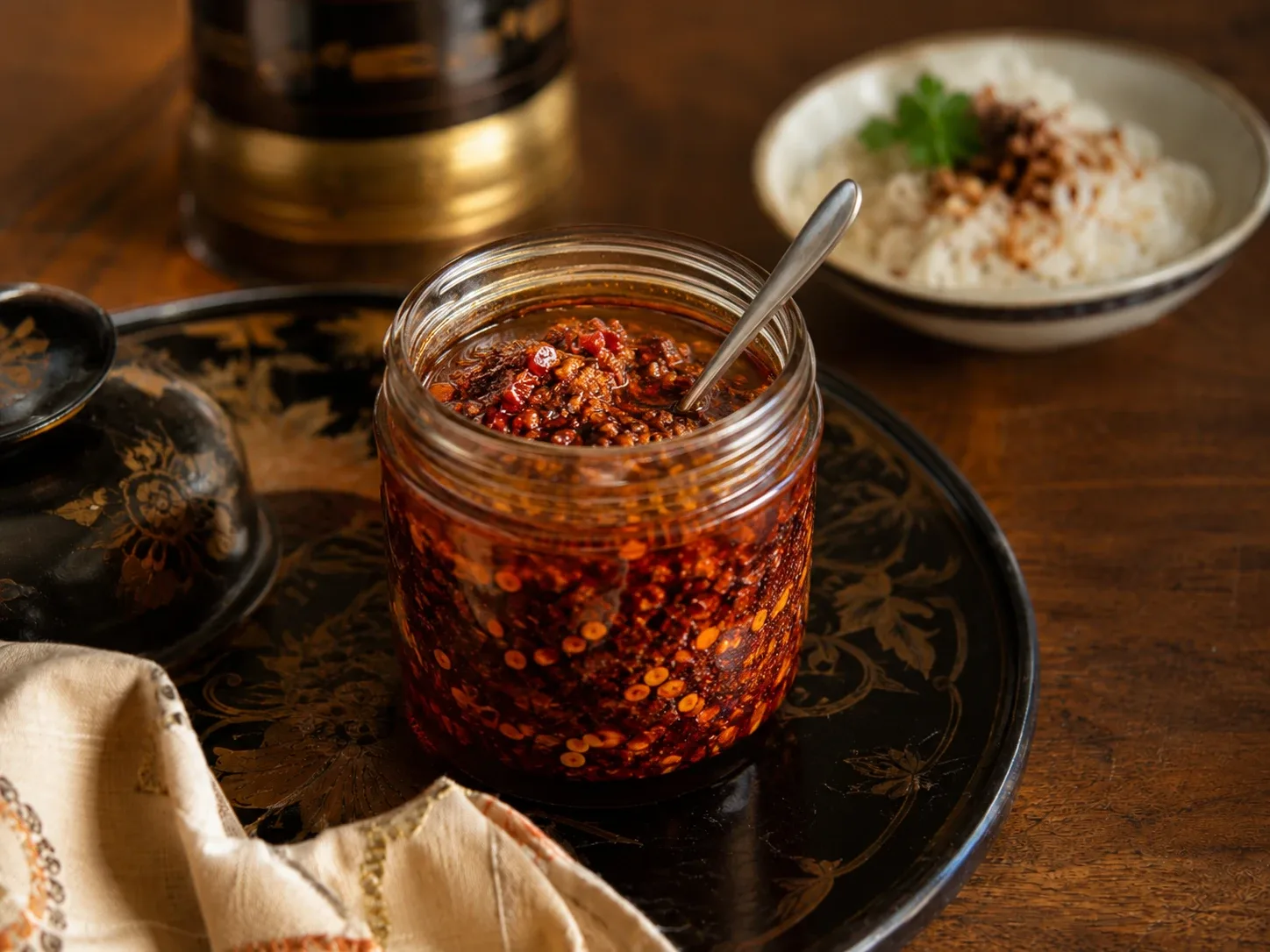
Si Chet, Burmese Chili Oilဆီချက်
The essential Burmese table oil — peanut oil gently fried with chili flakes, garlic, shallot, and a little ngapi, then spooned red over rice, noodles, and salads.
 ၁
၁Rice & Foundations · 60 min · Beginner
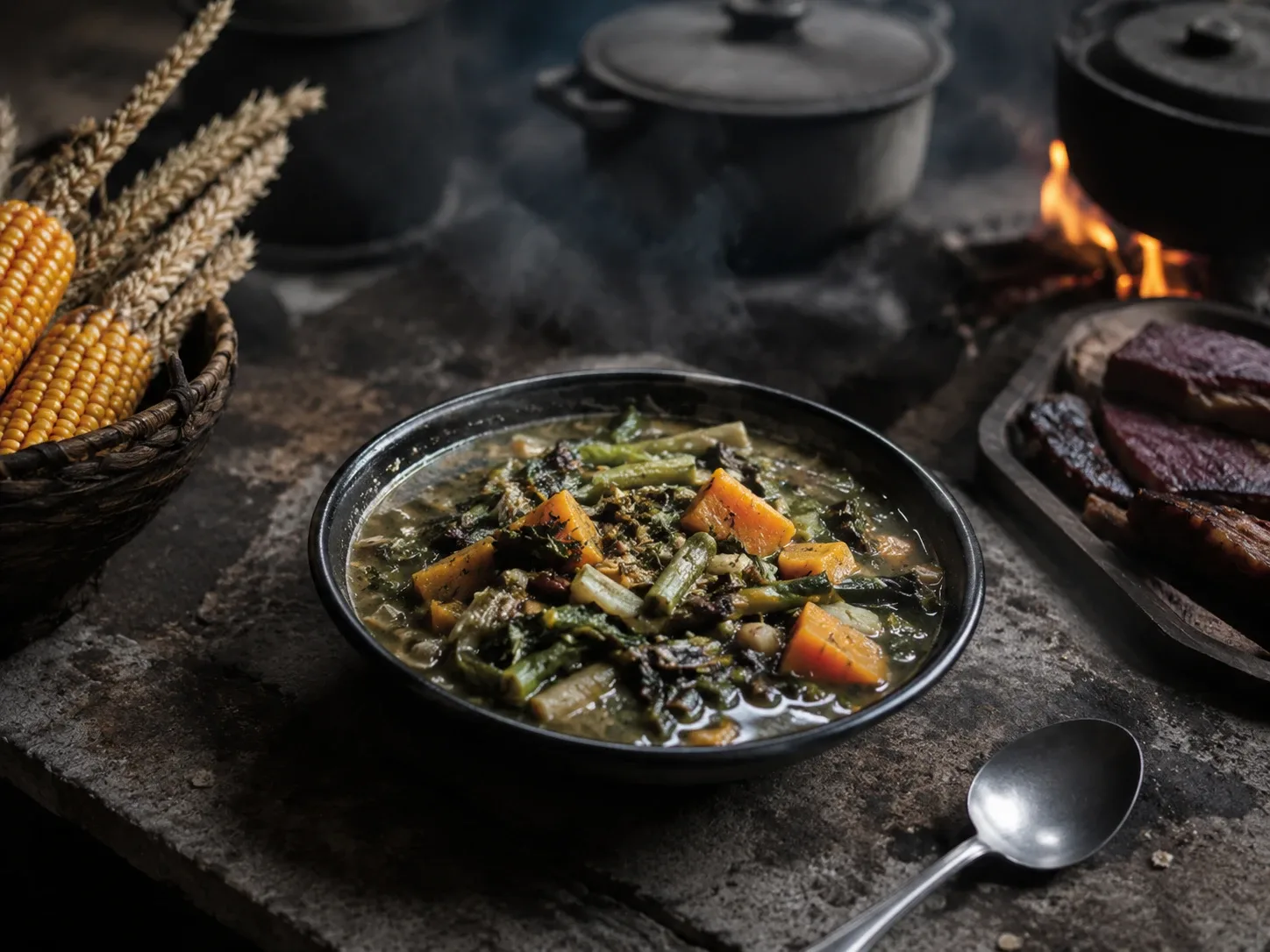
Bai, the Everyday Vegetable Pot
The Chin-Mizo daily vegetable stew — greens, pumpkin, and beans simmered with a whisper of alkali and a spoonful of fermented soybean, eaten at every meal.
 ၇
၇Sweets & Mont · 105 min · Intermediate
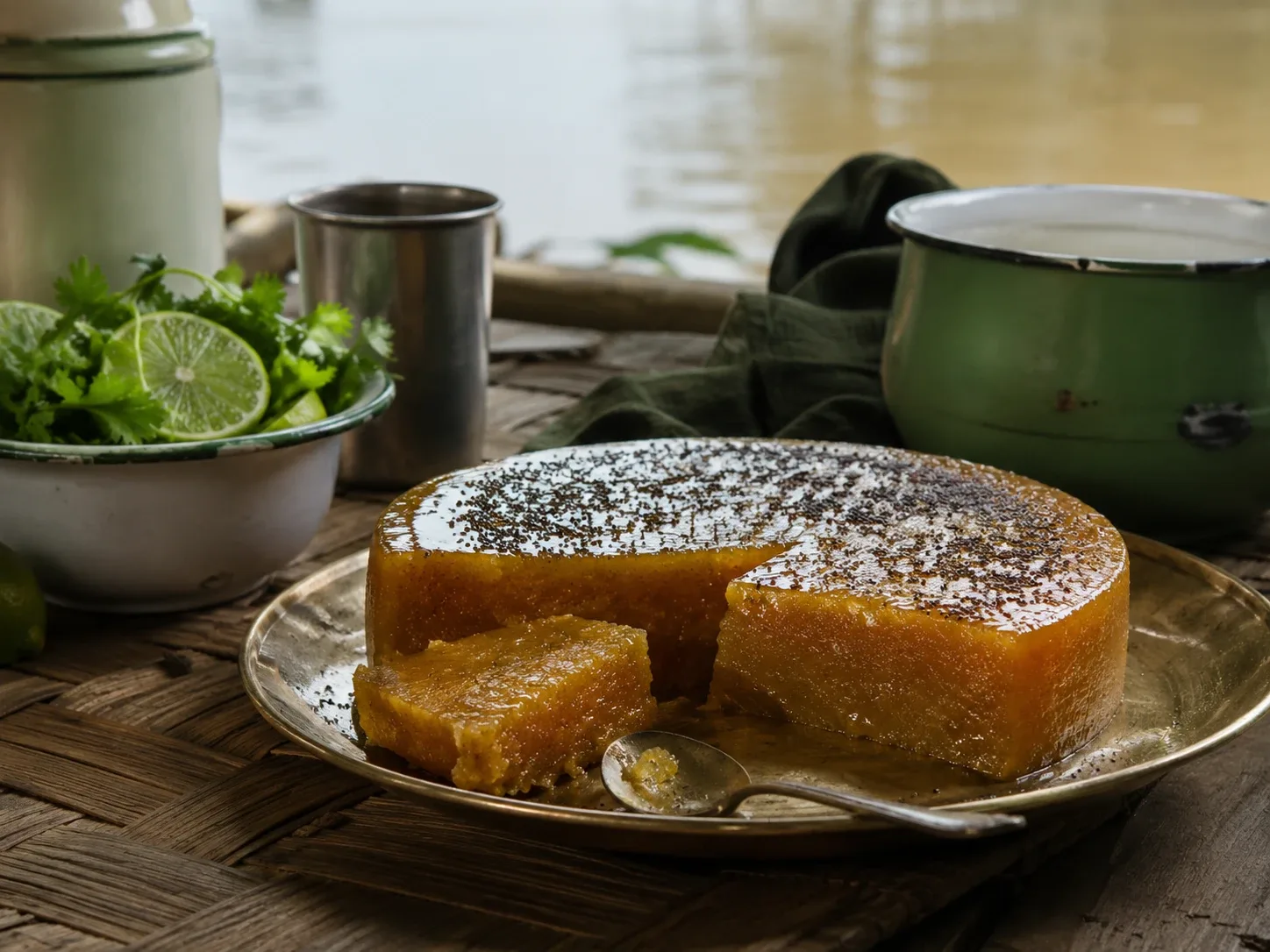
Pathein Halawa, the Delta's Gilded Sweetပုသိမ်ဟလဝါ
Pathein's famous glutinous-rice halawa — coconut milk, sugar, and ghee stirred patiently down to a dense, gleaming amber slab crowned with toasted poppy seeds.