Hsa Zein Be U, Salted Duck Eggs
ဆားစိမ်ဘဲဥ
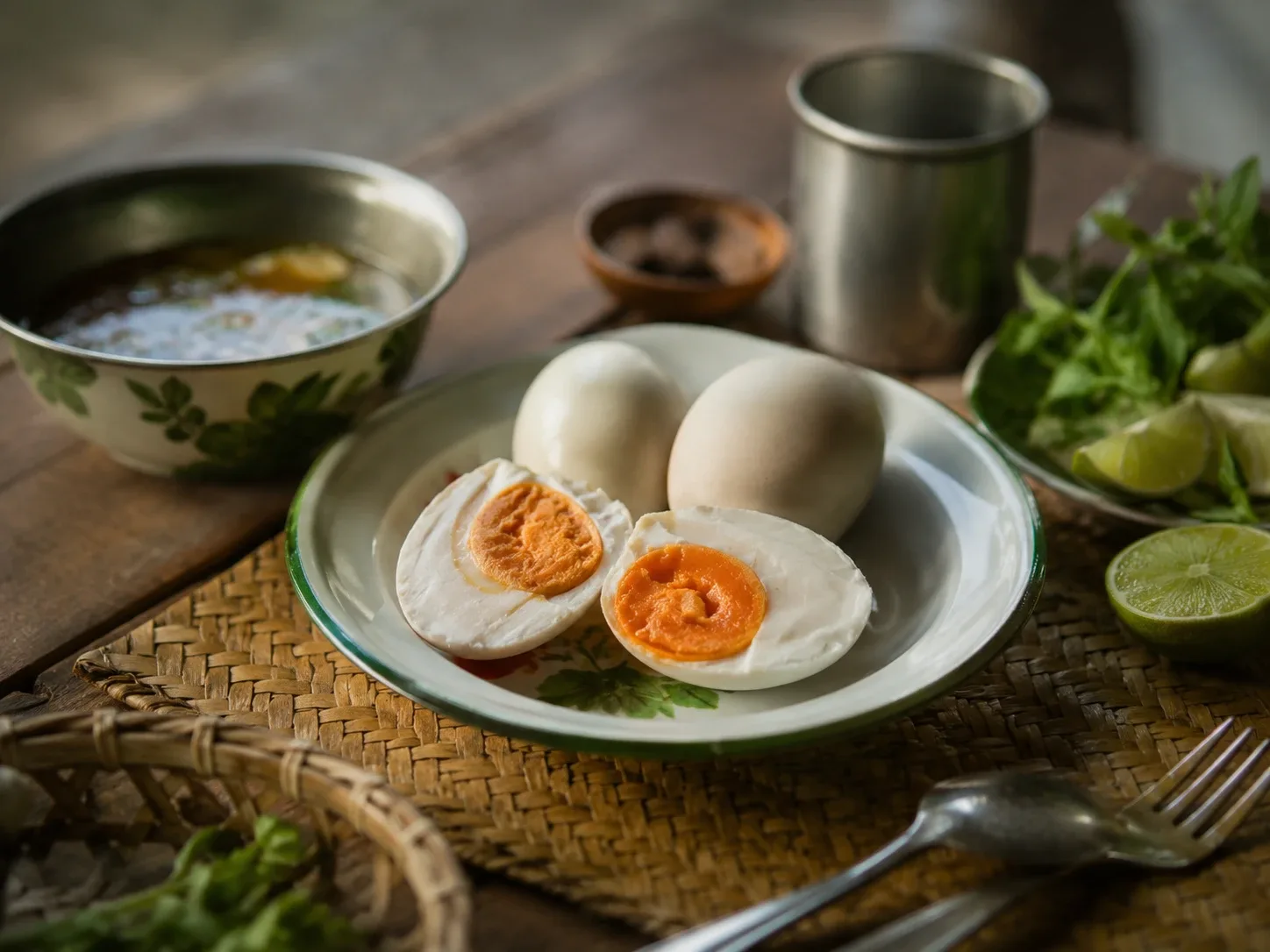
The delta larder's quiet workhorse — duck eggs brined in strong salt water for a month until the whites turn savory and the yolks set to dense orange gold.
By Burmese Cookbook Kitchen · July 9, 2026
ဧရာဝတီ Ayeyarwady DeltaBritish Burma, 1826–1948
 ၁
၁- Prep
- 20 min
- Cook
- 15 min
- Serves
- 12
- Level
- Beginner
Where there is delta rice there are delta ducks, and where there are ducks in those numbers there are always more eggs than any village can eat fresh. The salted egg is the delta's elegant answer — a preserve that asks nothing but salt, water, and patience, and pays back a pantry staple that keeps for months in a climate that forgives nothing. The technique came up the coast with Chinese traders and settled in wherever duck flocks did; when the colonial rice boom multiplied the Ayeyarwady's ducks a hundredfold, the brine jars multiplied with them. Village households still do it two ways — the wet brine given here, and the older, messier method of packing eggs in salted mud and paddy ash, which cures slower and travels better by boat.
The chemistry is patient and one-directional. Salt walks inward through the shell, seasoning the white quickly and the yolk slowly, and as it goes it pulls water out of the yolk until the fat concentrates into a dense, oil-beaded orange center that slices like cheese. That yolk is the prize — rich, saline, faintly grassy the way duck eggs are — and it is used the way the delta uses all its preserves: as a seasoning, not a centerpiece. Half a salted egg beside a mound of warm rice with a thread of peanut oil is a complete delta breakfast, and an honest argument that the simplest recipes are the ones a region actually lives on.
Write the date on the jar. Every failed batch of salted eggs in history was ruined by an optimist who was sure they would remember.
မီးဖိုချောင်စကား · A word from the kitchen
Ingredientsပါဝင်ပစ္စည်း
Serves 12
Tap to check off as you gather
For the brine
- duck eggs — fresh, clean, and uncracked — candle each one against a light; a single cracked egg spoils the jar
- water
- salt — plain coarse salt, no iodine, no anti-caking agents — a quarter of the water's weight, enough that some refuses to dissolve
To test and serve
- water — for boiling the finished eggs
- jasmine rice — cooked — a salted egg's natural habitat
Methodချက်နည်း
Tap a numeral as you finish each step
Step 1: Make a saturated brine
Bring the water to a boil, stir in the salt until no more will dissolve, and let it cool completely. A few grains sitting undissolved at the bottom is the proof you want — a saturated brine cures at a steady, predictable rate, which is what makes this method nearly foolproof. Never pour warm brine over eggs.
Step 2: Inspect and pack the eggs
Wipe the eggs clean and dry — wash them only if you must, just before brining, since washing strips the shell's protective bloom. Check each one for hairline cracks. Pack them gently into a clean glass jar or crock, pointed ends down.
Step 3: Submerge completely
Pour the cooled brine over the eggs to cover by at least 3 cm. Eggs float, so weight them down with a small plate, a zip bag of brine, or the delta trick — a lattice of bamboo skewers wedged across the jar's shoulders. Any egg that spends its cure bobbing half out of the brine salts unevenly and can spoil.
Step 4: Wait three to four weeks
Lid the jar loosely, label it with the date, and keep it somewhere cool and dark. The salt walks inward at its own patient pace: the white cures first, the yolk last. Three weeks gives a gently salted egg with a soft amber yolk; four gives the classic — a firm, oil-beaded, deep-orange yolk that slices clean.
Step 5: Test one before you commit
At day 21, boil a single egg for 10 minutes, cool, and cut it open. If the yolk is set to the center and the white tastes seasoned rather than harsh, pull the batch; if the yolk is still pale and runny at its heart, give the rest another week. Jars run at different speeds — the test egg is the only honest clock.
Step 6: Store and serve
Once cured, take the eggs out of the brine, dry them, and keep them in the fridge up to a month, boiling them as needed — 10 minutes, then halved in the shell and scooped at the table. Serve with plain rice and a drizzle of peanut oil, crumble over htamin gyaw, or set one beside a bitter melon fry and watch the two argue happily.
ခွက်ယောက် · The tools
Equipment
Rice cooker
ထမင်းအိုးConsistent long-grain rice with zero attention — and in a Burmese kitchen the rice is never optional.
Shop on Amazon →
Equipment links are Amazon affiliate links. As an Amazon Associate we earn from qualifying purchases, at no cost to you. Disclosure.
ဟင်းစုံ · Set the table
A Burmese meal is a spread
The quiet base of the meal — build the rest of the spread around it:
- A curryဟင်းSlow-cooked until the oil returns — the richness the sides cut against.
- A light soupဟင်းချိုThe clear, sour broth sipped between mouthfuls of rice.
- Toh sa yar & ngapi dipတို့စရာRaw and blanched vegetables with a pungent fish-paste dip — the fresh, bitter counterpoint.
- A hand-tossed thokeအသုပ်A bright, sour salad to lift the whole spread.
- Si chet, chili oilဆီချက်The fragrant red oil every household keeps by the stove.
Questions from the kitchen
Can I use chicken eggs?
You can, and the method is identical, but the result is a paler imitation. Duck eggs carry bigger, fattier yolks, and it is exactly that fat that cures into the dense, oily, orange heart salted eggs are prized for. Chicken yolks cure leaner and chalkier — fine in a pinch, never the point.
Why did my yolks stay pale and soft?
Not enough time or not enough salt. Make sure the brine was truly saturated — undissolved grains at the bottom — and that the eggs stayed fully submerged. Cold kitchens also slow the cure; in a cool climate, lean toward the four-week end and trust the test egg over the calendar.
Are the whites supposed to be that salty?
Yes — the white takes salt far faster than the yolk and ends up genuinely assertive. That is why salted eggs are eaten as a seasoning, not a snack: half an egg against a big plate of plain rice, or crumbled into fried rice, where the white's salt does the work of the fish sauce.
How do I know if an egg has gone bad?
Trust your nose without negotiation. A cured egg smells briny and faintly mineral; any sulfurous or sour smell when you crack it means that egg is discarded, no appeals. A cloudy brine with a pink or slimy film means the batch is lost — almost always traced back to a cracked shell or a floating egg.
နောက်တစ်ခု · Cook next
Keep the wok hot
 ၁
၁Rice & Foundations · 30 min · Beginner
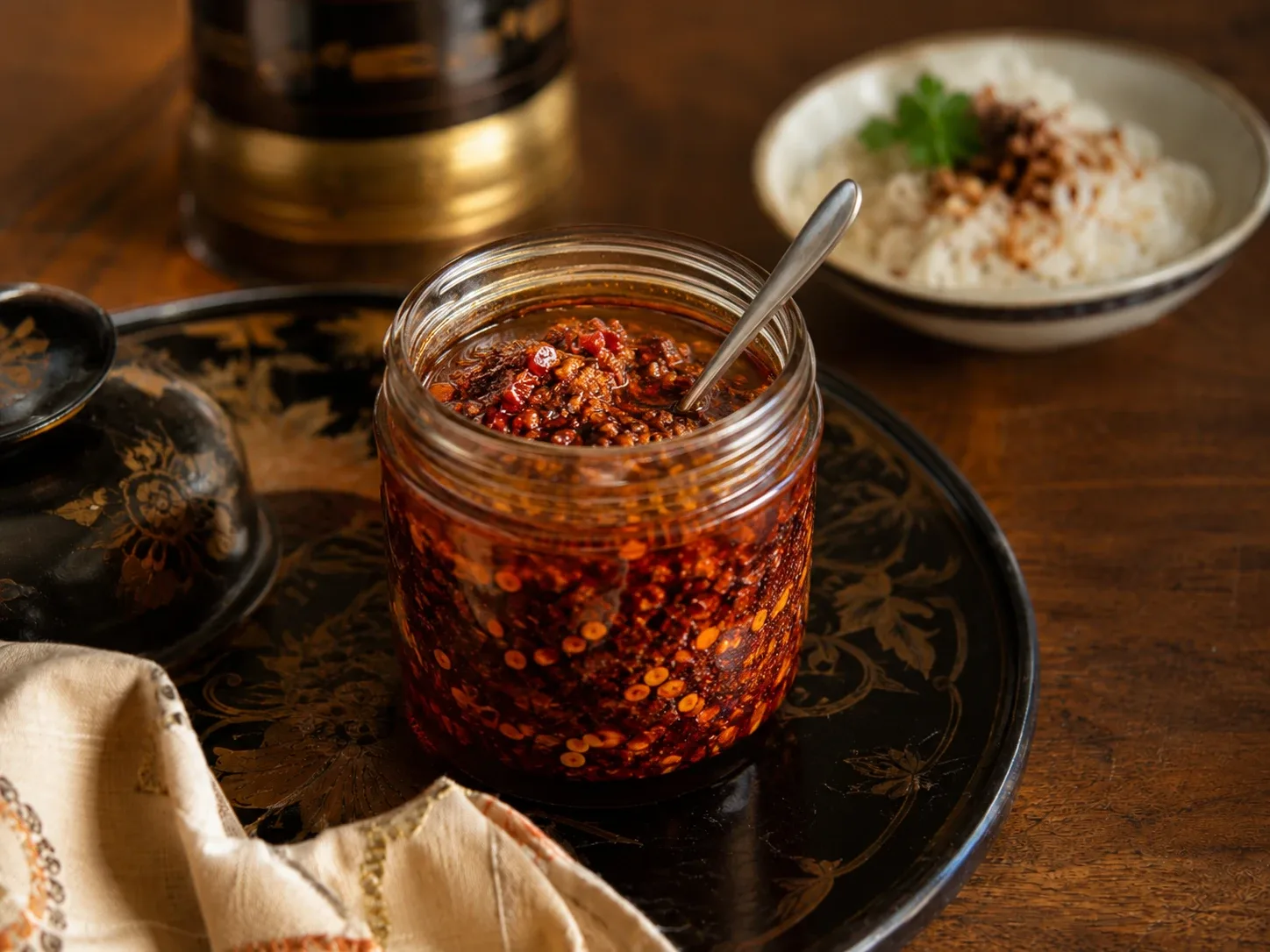
Si Chet, Burmese Chili Oilဆီချက်
The essential Burmese table oil — peanut oil gently fried with chili flakes, garlic, shallot, and a little ngapi, then spooned red over rice, noodles, and salads.
 ၁
၁Rice & Foundations · 40 min · Beginner
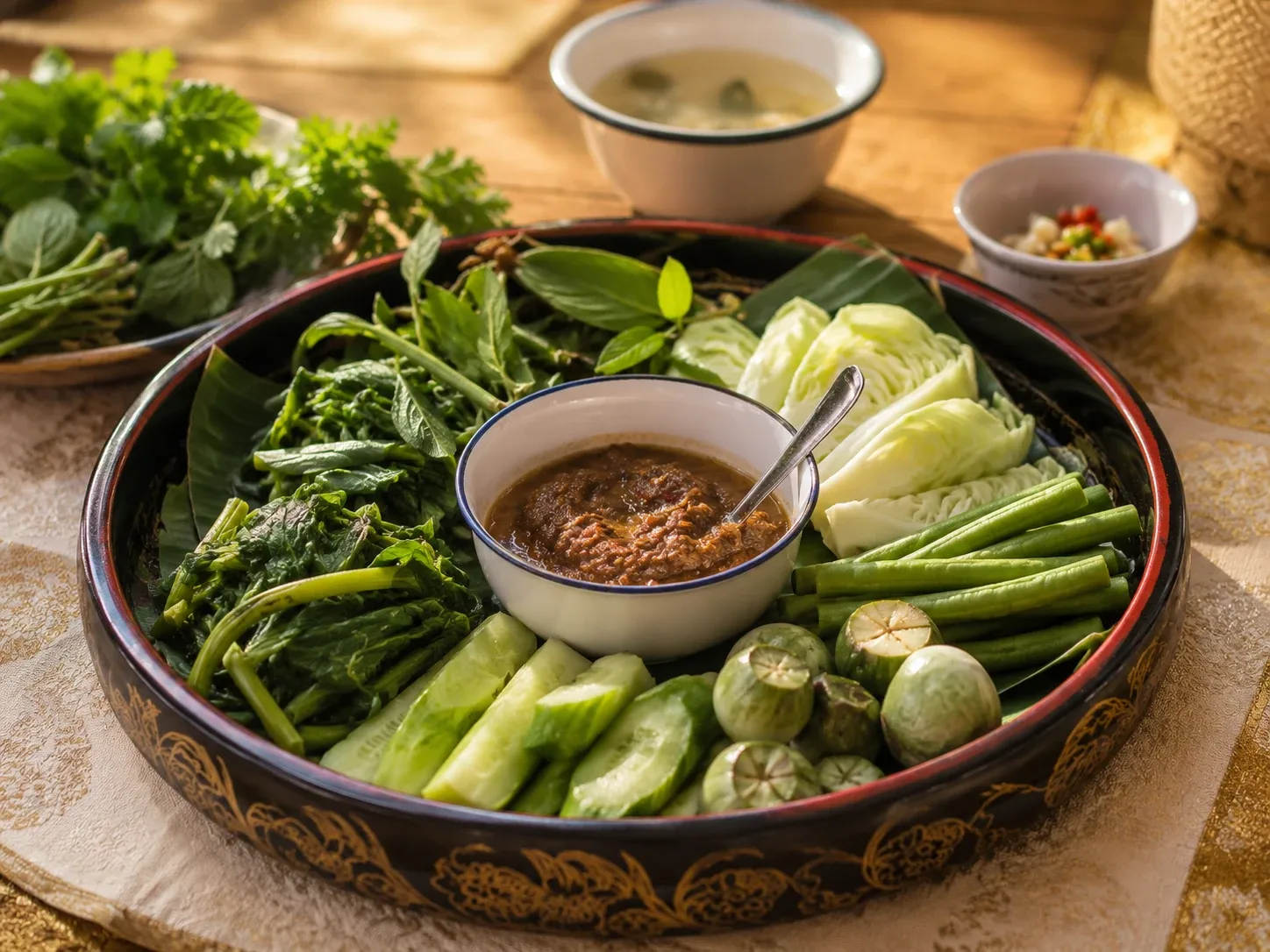
Toh Sa Yar, the Vegetable & Ngapi Platterတို့စရာ
The platter of raw and blanched vegetables around a pungent ngapi dip that no Burmese meal is complete without — the fresh, bitter counterpoint to curry.
 ၂
၂Noodles & Mohinga · 50 min · Beginner
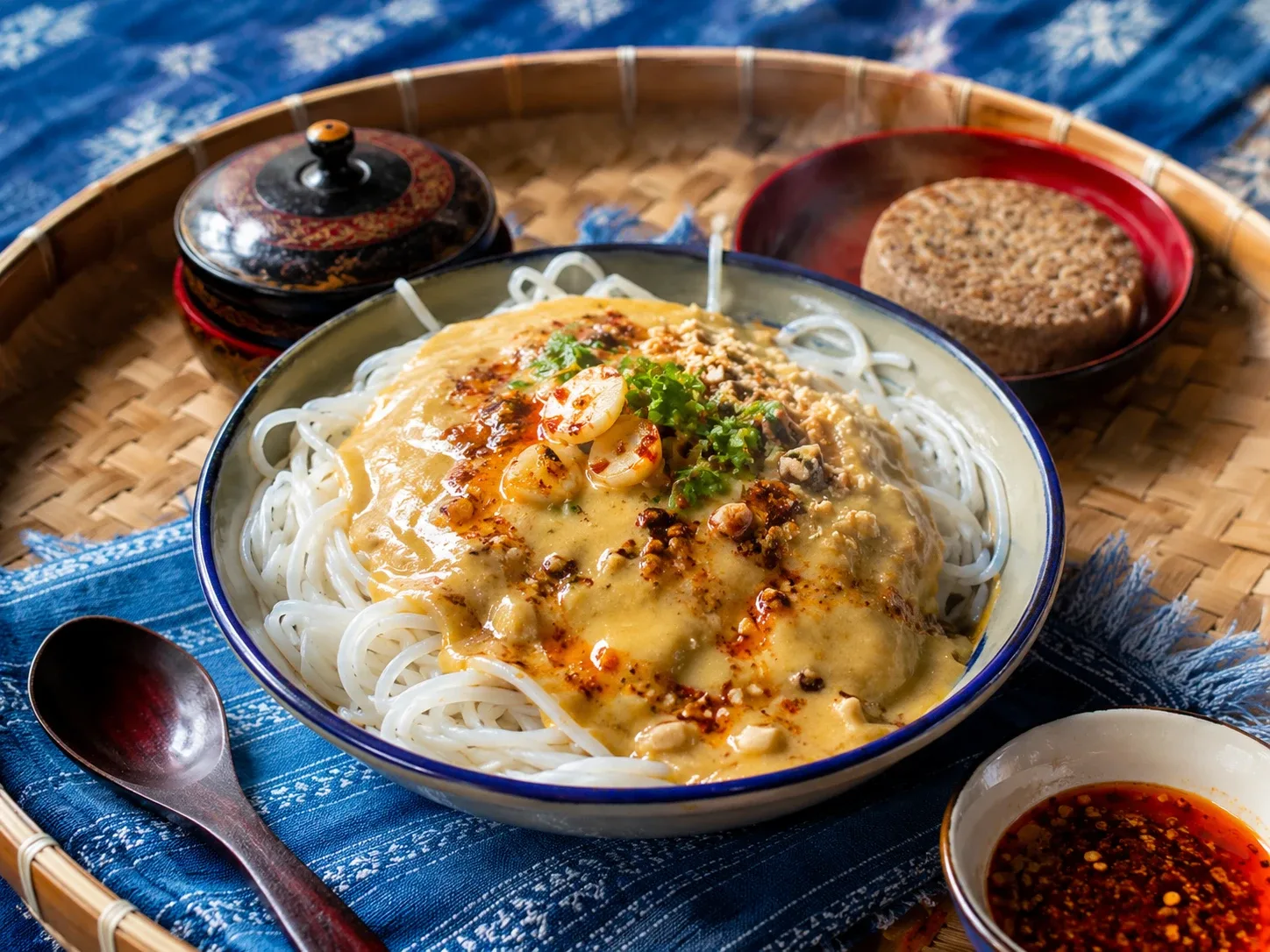
Tofu Nway, Warm Shan Tofu Noodlesတိုဟူးနွေး
Warm chickpea tofu that never sets, ladled like golden custard over rice noodles with garlic oil, chili, and peanuts — Shan State's great breakfast.