Nga Hpe, the Myeik Fish Cake
ငါးဖယ်
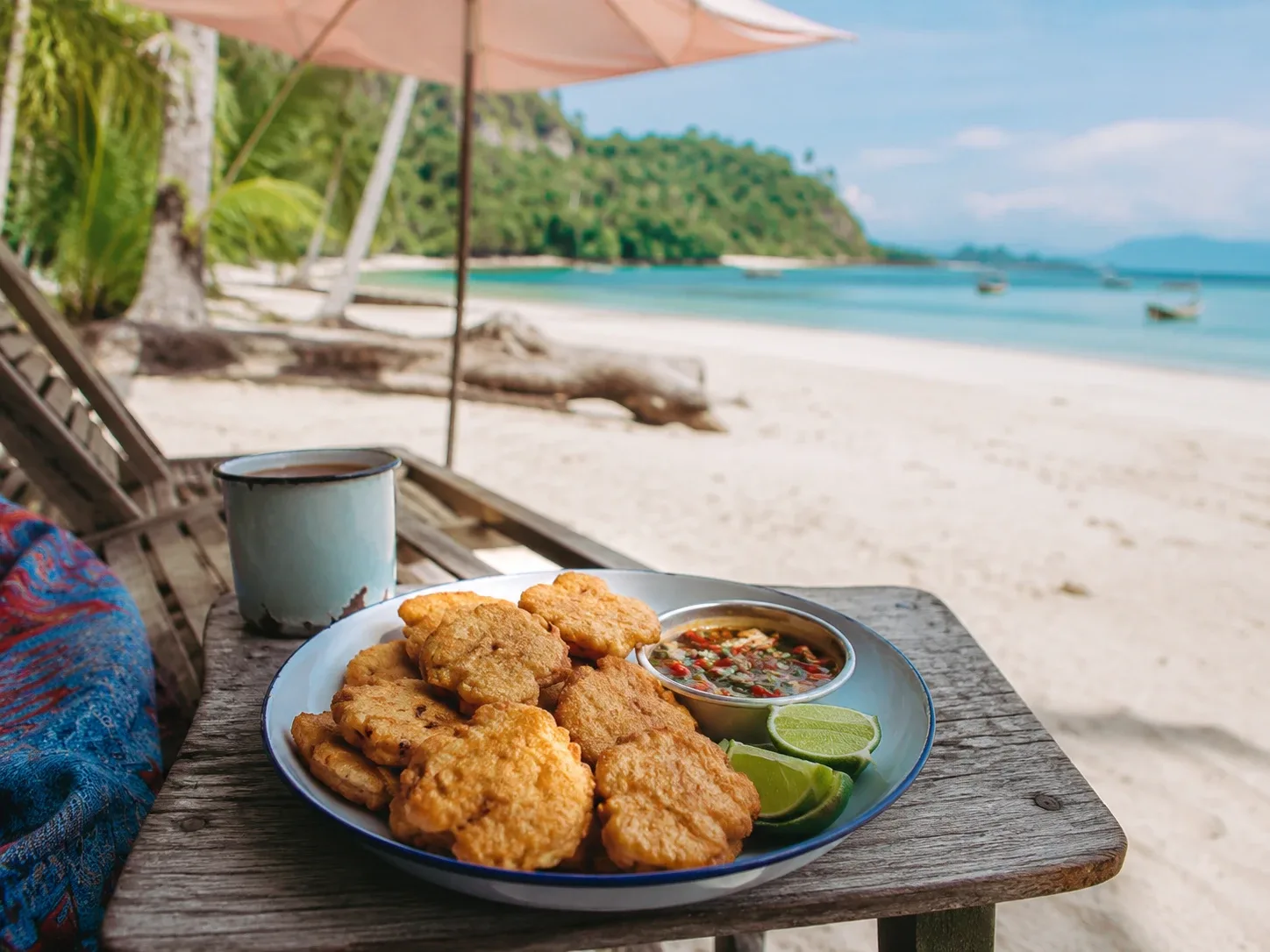
Myeik's famous springy fish cakes, pounded from featherback and slapped until bouncy — fried golden for snacking or sliced into noodles and soups.
By Burmese Cookbook Kitchen · July 9, 2026
တနင်္သာရီ TanintharyiBritish Burma, 1826–1948
 ၁
၁- Prep
- 40 min
- Cook
- 20 min
- Serves
- 6
- Level
- Intermediate
Myeik — Beik in the local mouth — is a town that preserves fish for a living, and nga hpe is its most beloved product. The name belongs to the featherback, a knife-shaped fish so riddled with forked bones that eating it straight is an act of optimism; somewhere well back in this coast's history, cooks decided to stop negotiating with the bones and pound the flesh to paste instead. Salted, slapped, and fried, that paste becomes a cake with the springy, snappy bite Burmese eaters prize — and the cake simply took the fish's name with it.
Fish paste is old on every Southeast Asian coast, so we make no grand claims of invention. What the record does show is Beik nga hpe becoming a named, traded thing — packed out with the dried seafood that colonial-era Mergui shipped up and down the coast, and famous enough today that Yangon vendors advertise it by hometown. In Myeik it is less a dish than an ingredient economy: sliced into kat kyi kaik, floated in soups, fried and eaten off a skewer at the night market.
Everything hangs on the bounce, and the bounce is technique. Cold fish and a proper measure of salt dissolve the protein into gel; ten minutes of pounding and fifty throws against the bowl tighten it until it springs back at you. There is no shortcut ingredient — just labor, which is why a good fish cake, here as everywhere, is quietly a boast.
The bounce is not an ingredient; it is labor. Salt, cold, and fifty good slaps against the bowl — stop when the paste snaps back at you.
မီးဖိုချောင်စကား · A word from the kitchen
Ingredientsပါဝင်ပစ္စည်း
Serves 6
Tap to check off as you gather
For the paste
- featherback fish fillets — the namesake fish — Spanish mackerel or any fresh white fish with sticky flesh stands in well
- fine salt
- fish sauce
- white pepper — ground — or black, for a more southern accent
- turmeric
- ice-cold water
- rice flour — optional insurance for less-than-sparkling fish
For frying
- peanut oil
- peanut oil — extra, for your hands when shaping
Methodချက်နည်း
Tap a numeral as you finish each step
Step 1: Keep everything cold
Chill the fillets, the bowl, and even the water until everything is refrigerator-cold. Fish protein binds into a bouncy gel only while cold; a warm paste turns grainy and fries into something crumbly instead of springy. On the Myeik quayside the fish arrives cold from the ice hold — your fridge is standing in for the boat.
Step 2: Scrape and mince
Run a spoon down each fillet to scrape the flesh away from any skin and pin bones — featherback is notoriously bony, which is exactly why generations of cooks pound it to paste rather than fight it at the table. Chop the scraped flesh, then mince it fine with a heavy knife or short pulses of a processor.
Step 3: Pound with the salt
Pound the minced fish with the salt in a mortar, or beat it hard in the bowl with a sturdy spoon, for 8 to 10 minutes. The salt is doing chemistry, not just seasoning — it dissolves the muscle protein into the sticky gel that sets as bounce. The paste is ready for the next step when it clings to the pestle and pulls in strands.
Step 4: Season and slap
Work in the fish sauce, pepper, turmeric, and the ice water a spoonful at a time, then the rice flour if using. Now the signature move — gather the paste and throw it back into the bowl, hard, forty or fifty times. Slapping knocks out air and tightens the gel; the paste is done when it is glossy, smooth, and springs back from a finger press. Rest it, covered, in the fridge for 20 minutes.
Step 5: Shape with oiled hands
With oiled palms, shape the paste into flat cakes about 8 cm across and 1.5 cm thick — this batch makes ten to twelve. Wet or oiled hands are not optional; the paste is designed to stick to everything, including you.
Step 6: Fry to a golden puff
Heat the oil to a medium 170°C — a pinch of paste should sizzle steadily, not violently. Fry the cakes in batches, 3 to 4 minutes per side, until puffed and deep gold. They will swell in the oil and relax as they cool; that sigh is normal. Drain on a rack.
Step 7: Serve, or put them to work
Eat hot with a sharp chili-lime dipping sauce, or cool and slice into coins for kat kyi kaik, noodle soups, and stir-fries — in Myeik the cake is less a dish than a currency that other dishes spend. They keep three days in the fridge and freeze beautifully.
ခွက်ယောက် · The tools
Equipment
Frying thermometer
အပူချိန်တိုင်းThe difference between shattering buthi kyaw and greasy buthi kyaw is oil held at temperature — stop guessing.
Shop on Amazon →Frying spider
ဇကာLift fritters clean out of the oil and drain them fast, before the crust turns soft. The street cook’s third hand.
Shop on Amazon →Rice cooker
ထမင်းအိုးConsistent long-grain rice with zero attention — and in a Burmese kitchen the rice is never optional.
Shop on Amazon →Stone mortar & pestle
ဆုံFor garlic-ginger paste, pounded dried shrimp fluff, and crushed peanuts — the blender lies about texture; the stone doesn’t.
Shop on Amazon →
Equipment links are Amazon affiliate links. As an Amazon Associate we earn from qualifying purchases, at no cost to you. Disclosure.
ဟင်းစုံ · Set the table
A Burmese meal is a spread
The quiet base of the meal — build the rest of the spread around it:
- A curryဟင်းSlow-cooked until the oil returns — the richness the sides cut against.
- A light soupဟင်းချိုThe clear, sour broth sipped between mouthfuls of rice.
- Toh sa yar & ngapi dipတို့စရာRaw and blanched vegetables with a pungent fish-paste dip — the fresh, bitter counterpoint.
- A hand-tossed thokeအသုပ်A bright, sour salad to lift the whole spread.
- Si chet, chili oilဆီချက်The fragrant red oil every household keeps by the stove.
Questions from the kitchen
What is featherback, and what if I can't get it?
A knife-shaped freshwater and estuary fish — nga hpe in Burmese — prized because its flesh pounds into an unusually springy paste. Outside Southeast Asian markets, Spanish mackerel is the classic stand-in, and any very fresh white fish works with the rice-flour insurance. Frozen featherback paste, sold in tubs, is a legitimate shortcut half of Yangon uses.
Why did my cakes turn out dense instead of bouncy?
Almost always warmth or impatience. If the paste rose above fridge-cold, the gel never formed; if the pounding or slapping was cut short, it never tightened. Fish that has been previously frozen and thawed slowly also gives up water and bounce. Cold everything, full slaps, fresh fish — in that order of importance.
Can I boil them instead of frying?
Yes — poached in barely simmering water for 5 to 6 minutes they set into paler, silkier cakes, which is how they often go into soups. Frying adds the golden skin and a deeper flavor; many cooks poach the whole batch, then fry only what will be eaten today.
နောက်တစ်ခု · Cook next
Keep the wok hot
 ၁
၁Rice & Foundations · 30 min · Beginner
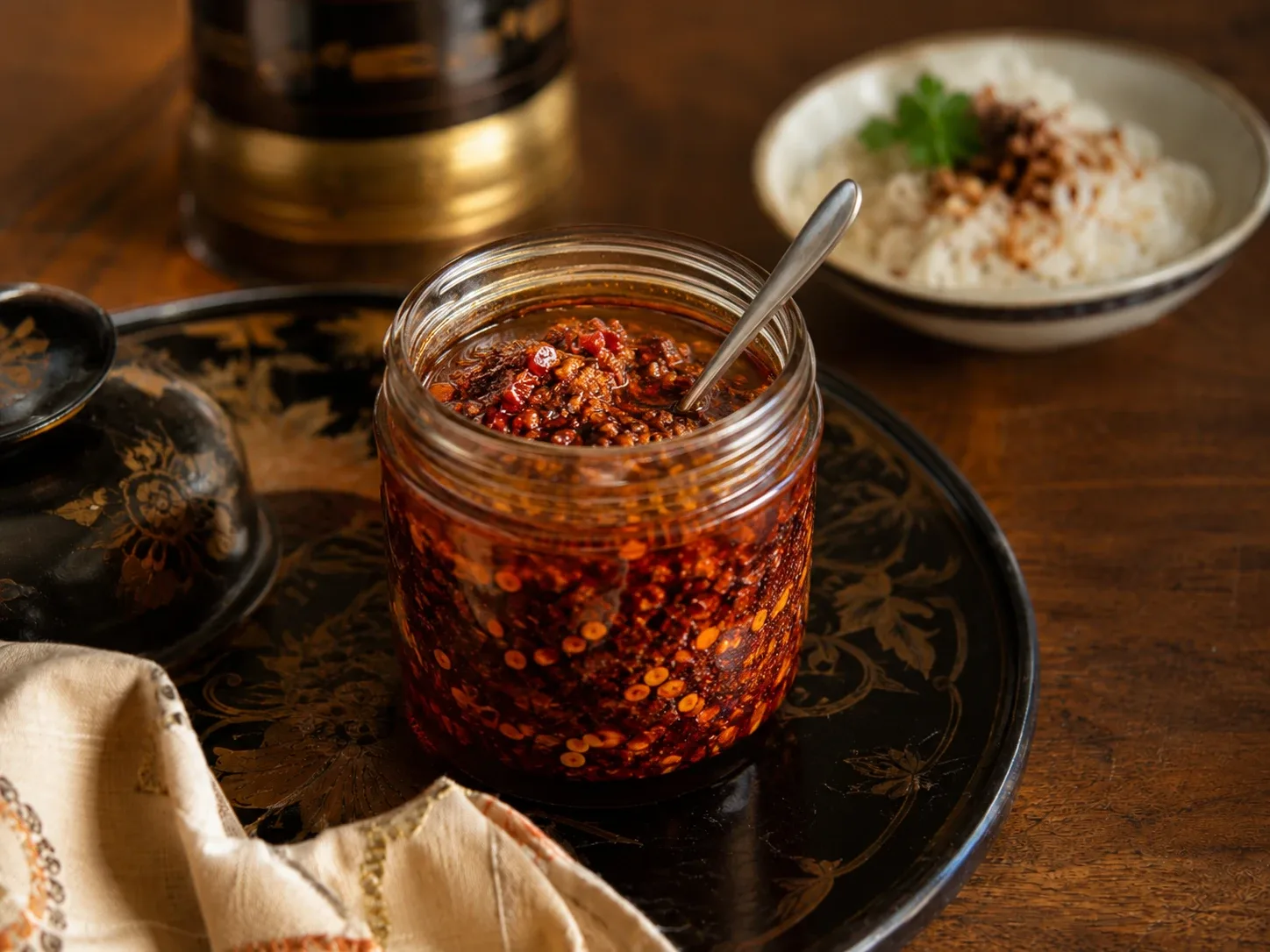
Si Chet, Burmese Chili Oilဆီချက်
The essential Burmese table oil — peanut oil gently fried with chili flakes, garlic, shallot, and a little ngapi, then spooned red over rice, noodles, and salads.
 ၁
၁Rice & Foundations · 40 min · Beginner
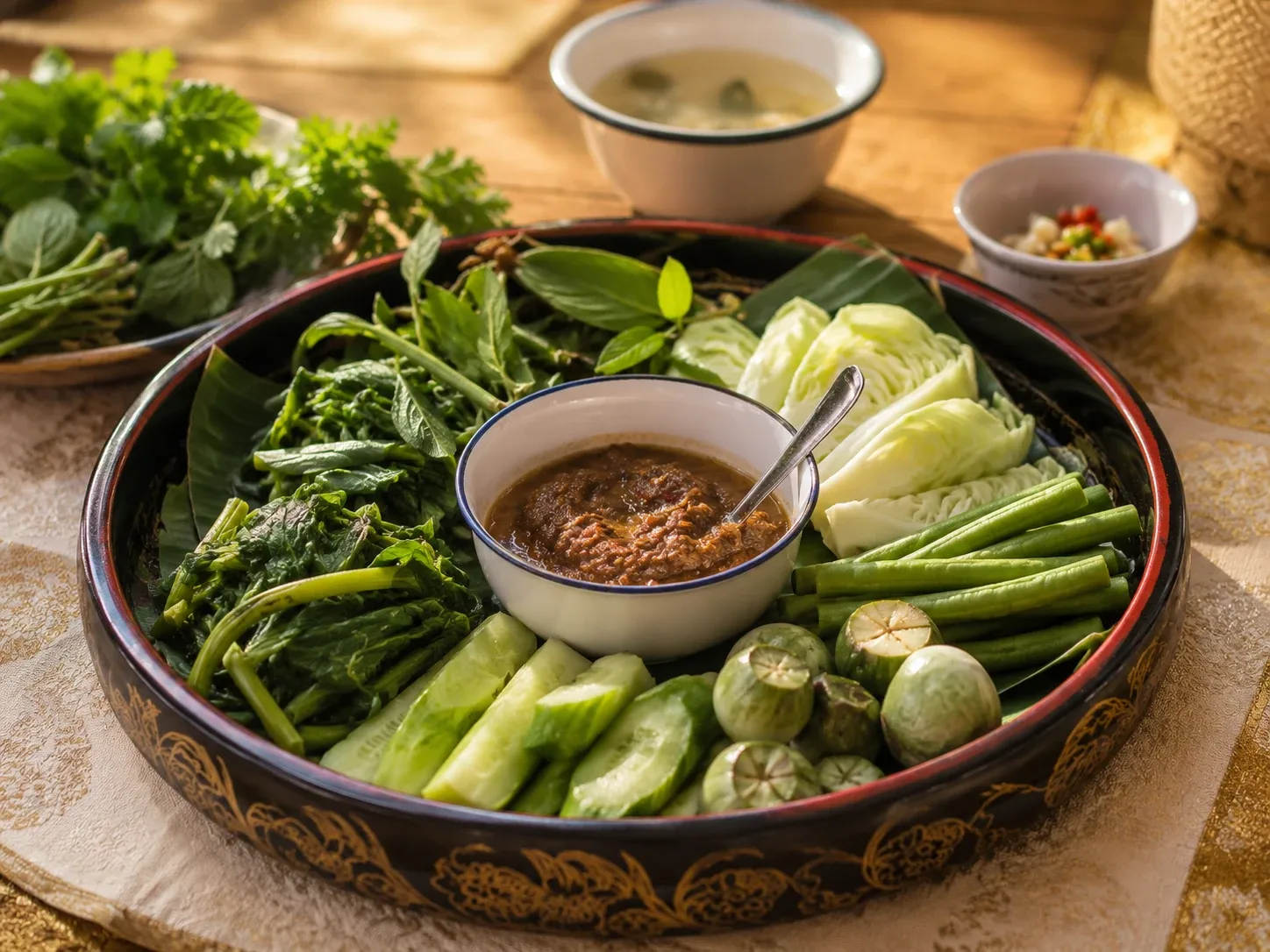
Toh Sa Yar, the Vegetable & Ngapi Platterတို့စရာ
The platter of raw and blanched vegetables around a pungent ngapi dip that no Burmese meal is complete without — the fresh, bitter counterpoint to curry.
 ၅
၅Soups & Broths · 165 min · Beginner
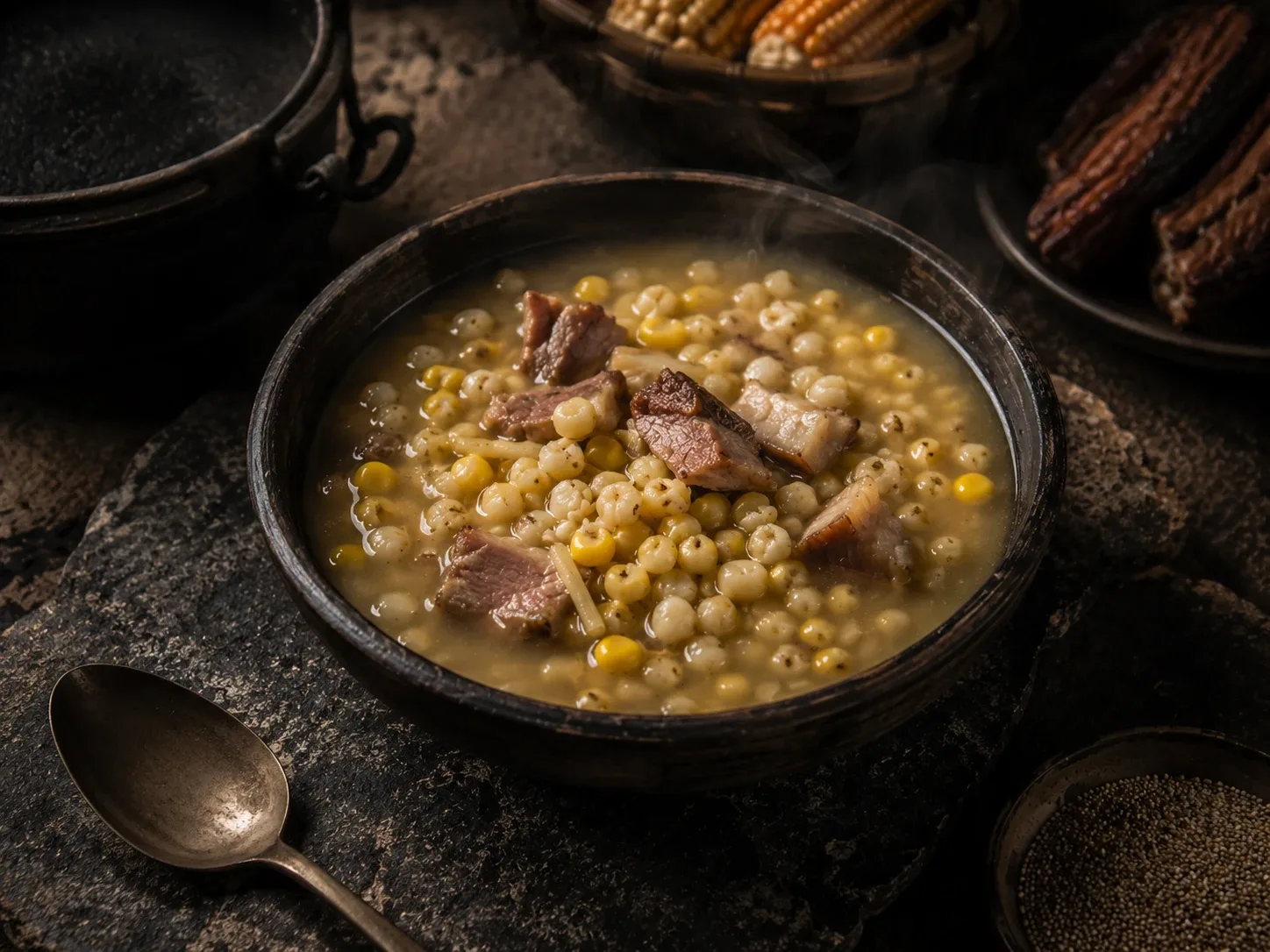
Sabuti, the Chin Corn Soup
The Chin hills' great corn soup — hominy maize simmered slowly with smoked pork and ginger, frugal mountain cooking that somehow eats like plenty.