Mandalay Meeshay, the Slippery One
မီးရှည်
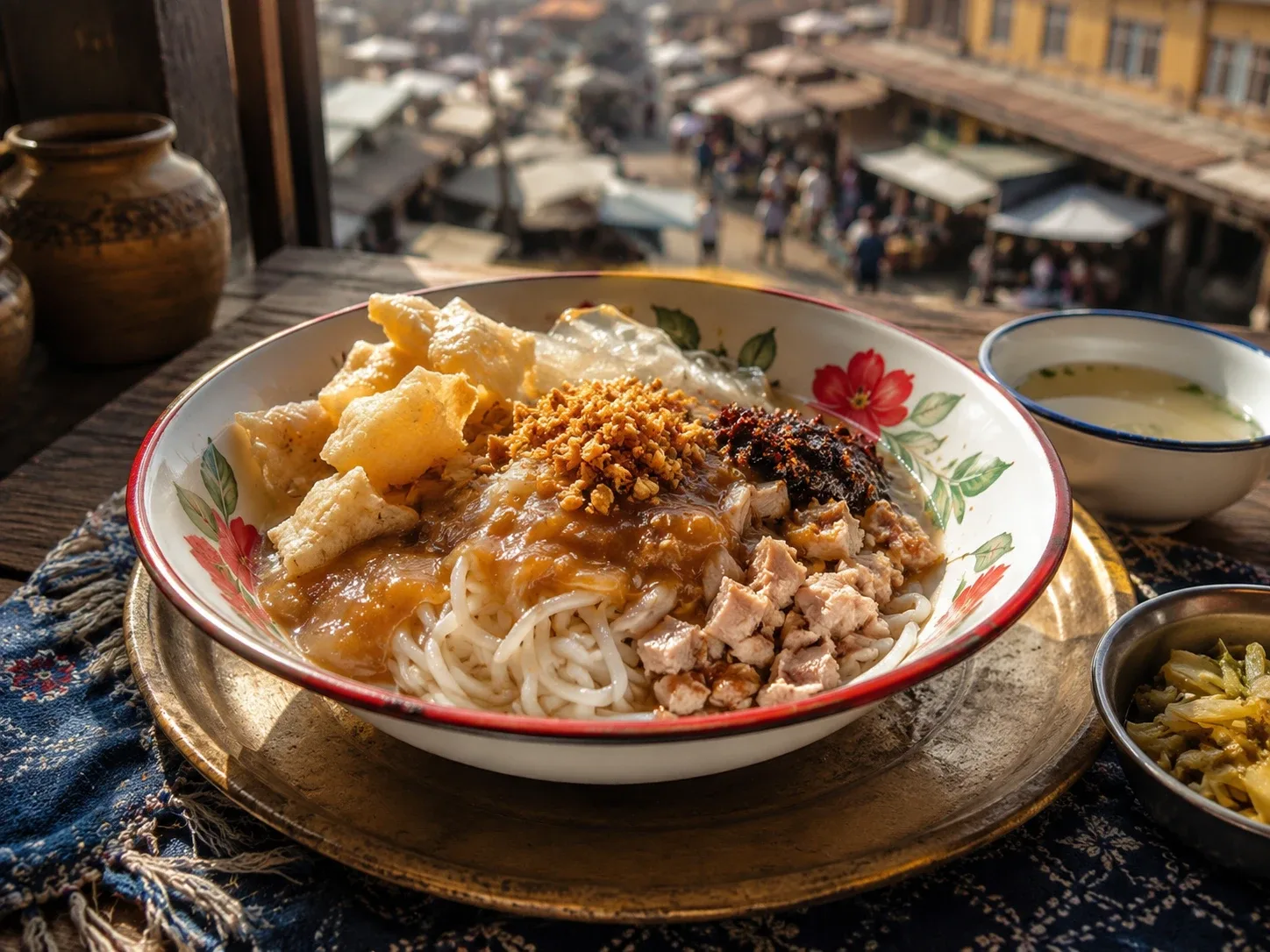
Mandalay's slippery rice-noodle bowl — a glossy, starch-thickened pork topping over noodles, cut by sour pickled bean sprouts, garlic oil, and broth alongside.
Also spelled: Mandalay Mee Shay · Mi Shay · Mee Shei
By Burmese Cookbook Kitchen · June 10, 2026
အညာ Upper Burma & MandalayKonbaung, 1752–1885
 ၂
၂- Prep
- 30 min
- Cook
- 60 min
- Serves
- 4
- Level
- Intermediate
Mee shay is Mandalay's noodle bowl with a passport. The dish descends from Yunnanese mixian — slippery round rice noodles that came down the caravan roads from China with traders and settlers, taking root in Upper Burma's markets during the Konbaung century when Mandalay was the royal capital and the northern trade ran straight through it. Even the name carries the journey; say it aloud and you can hear the Chinese noodle in it. Today it is teahouse food, morning food, the bowl Mandalay natives get homesick for in Yangon.
Two things make it mee shay and not merely noodles with pork. First, the topping: pork braised in soy and fish sauce, then bound with a rice-flour slurry until it turns glossy and ribbons off the spoon — a starch-thickened lacquer that clings to every noodle instead of pooling at the bottom of the bowl. Add the slurry in stages, off the boil, and you get shine; dump it in and you get pudding. Second, the pickled bean sprouts, sharp and cold and absolutely non-negotiable. Every element of this dish is soft, rich, or slick, and the pickle is the argument that keeps the richness from winning outright.
It comes, as Upper Burma's noodle dishes tend to, with a small cup of hot broth on the side — soup as a companion rather than an ingredient. Mix the bowl properly before the first bite. Mandalay is watching.
The pork topping should ribbon off the spoon, not plop — add the rice-flour slurry in stages off the boil, because it keeps thickening as the pot returns to heat.
မီးဖိုချောင်စကား · A word from the kitchen
Ingredientsပါဝင်ပစ္စည်း
Serves 4
Tap to check off as you gather
For the pickled bean sprouts
- bean sprouts — fresh and crisp
- rice vinegar
- sugar
- salt
For the pork topping
- pork shoulder — finely chopped by knife, or coarse-ground
- garlic — minced
- shallots — finely chopped
- light soy sauce
- dark soy sauce — for the lacquered color
- fish sauce
- palm sugar (jaggery)
- paprika
- chicken stock — plus more, heated, for the side cups
- rice flour — whisked with 4 tbsp cold water into a slurry — the signature gloss
- peanut oil
To serve
- thick rice noodles — round and slippery — fresh if you can find them, or dried bún bò huế noodles
- garlic oil — with its fried garlic chips
- cilantro
- dried chili flakes — fried briefly in a spoon of the garlic oil
- fried pork rinds — optional but very Mandalay — crumbled over the top
Methodချက်နည်း
Tap a numeral as you finish each step
Step 1: Pickle the sprouts
Stir the vinegar, sugar, and salt until dissolved and pour over the bean sprouts. Let them sit at least 30 minutes while you cook — a day ahead is better. Their sharp crunch is not a garnish; it is the counterweight to everything glossy in this bowl.
Step 2: Fry the aromatics
Heat the peanut oil in a heavy pot and fry the shallots and garlic with the paprika over medium heat until soft, sweet, and lightly colored, about 5 minutes. The oil should blush amber before the pork goes anywhere near it.
Step 3: Braise the pork
Add the pork and cook, breaking it up, until it loses its pink. Add both soy sauces, the fish sauce, and palm sugar, turn the meat through the glaze, then pour in the stock. Simmer gently, partly covered, for 30 to 35 minutes until the pork is fully tender and the liquid tastes like something you would defend.
Step 4: Thicken to a glaze
Pull the pot off the boil. Whisk the rice-flour slurry, then stir it in a third at a time, returning the pot to a gentle simmer between additions, until the topping turns glossy and ribbons off the spoon — 2 to 3 minutes. All at once and you get pudding; in stages you get lacquer. It sets a little more as it stands.
Step 5: Ready the noodles
Boil the noodles until tender but still springy, drain well, and toss with half the garlic oil so they stay loose and slick. Warm your bowls — this dish goes lukewarm quickly and deserves better.
Step 6: Assemble
Divide the noodles among bowls and ladle the pork topping generously over. Add a sharp tangle of drained pickled sprouts, the remaining garlic oil and chips, cilantro, chili oil, and pork rinds if using. Serve each bowl with a small cup of hot broth alongside, and tell everyone to mix before eating — the gloss, the sour, and the garlic are meant to meet.
ခွက်ယောက် · The tools
Equipment
Heavy pot / Dutch oven
အိုးကြီးDeep and heat-retentive — for mohinga broth, long-simmered hin, and deep-frying without temperature crashes.
Shop on Amazon →Noodle basket / colander
ဆန်ခါBlanch and lift rice noodles in seconds — mohinga service moves fast, and soggy noodles wait for no one.
Shop on Amazon →
Equipment links are Amazon affiliate links. As an Amazon Associate we earn from qualifying purchases, at no cost to you. Disclosure.
ဟင်းစုံ · Set the table
A Burmese meal is a spread
A bowl is complete, but the table is not without its condiments:
- Si chet, chili oilဆီချက်The fragrant red oil every household keeps by the stove.
- Crispy fried shallotsကြက်သွန်ကြော်A spoonful of crunch and sweet shallot oil over anything.
- Balachaungဘလချောင်းThe crispy shrimp relish that lives on every Burmese table.
- Teahouse milk teaလက်ဖက်ရည်How a Burmese meal ends — sweet, strong, and slow.
Questions from the kitchen
What noodles are truly correct?
Fresh, round rice noodles the thickness of spaghetti — the same family as Yunnanese mixian, which is no accident. Dried bún bò huế noodles are the best supermarket match; laksa noodles work; thin vermicelli makes a wispier bowl that loses the slippery character the name promises.
Can I use cornstarch instead of rice flour?
It will thicken, but differently — cornstarch sets glassier and can go gluey as it cools, while rice flour gives the softer, cloudier gloss that Mandalay expects. If cornstarch is what you have, use two-thirds the amount and serve promptly.
Do I really need the pickled sprouts?
Yes, more than you need any single topping. The dish is rich, starchy, and glossy by design, and the pickle is the acid that makes a second helping conceivable. Store-bought pickled mustard greens are an acceptable emergency stand-in, chopped fine.
Can I make it ahead?
The braise, yes — through step three it improves overnight. Thicken with the slurry only on the day, since the glaze stiffens in the fridge, and always cook noodles at the last moment. The pickle happily lives a week.
နောက်တစ်ခု · Cook next
Keep the wok hot
 ၂
၂Noodles & Mohinga · 50 min · Beginner
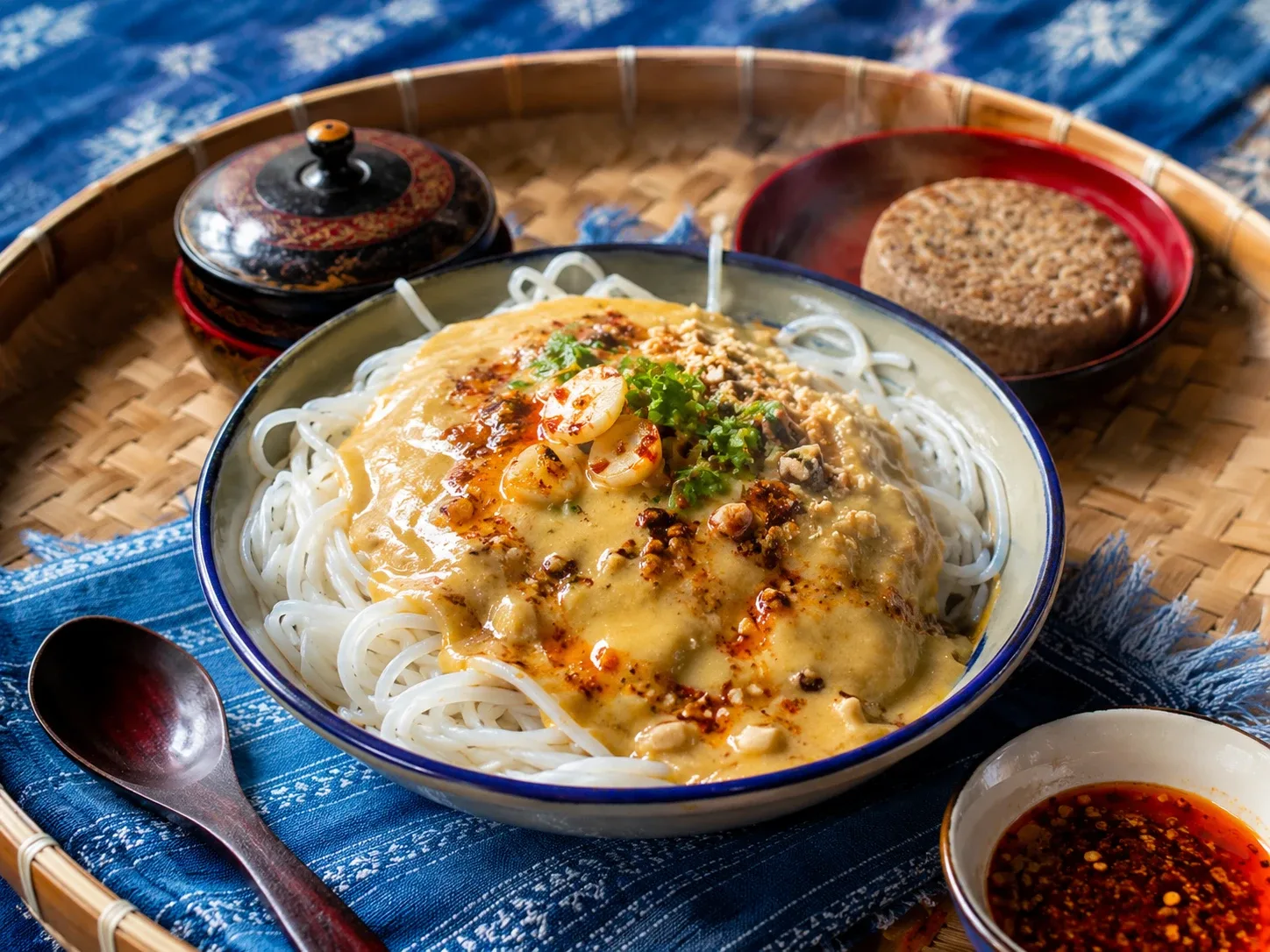
Tofu Nway, Warm Shan Tofu Noodlesတိုဟူးနွေး
Warm chickpea tofu that never sets, ladled like golden custard over rice noodles with garlic oil, chili, and peanuts — Shan State's great breakfast.
 ၂
၂Noodles & Mohinga · 40 min · Intermediate
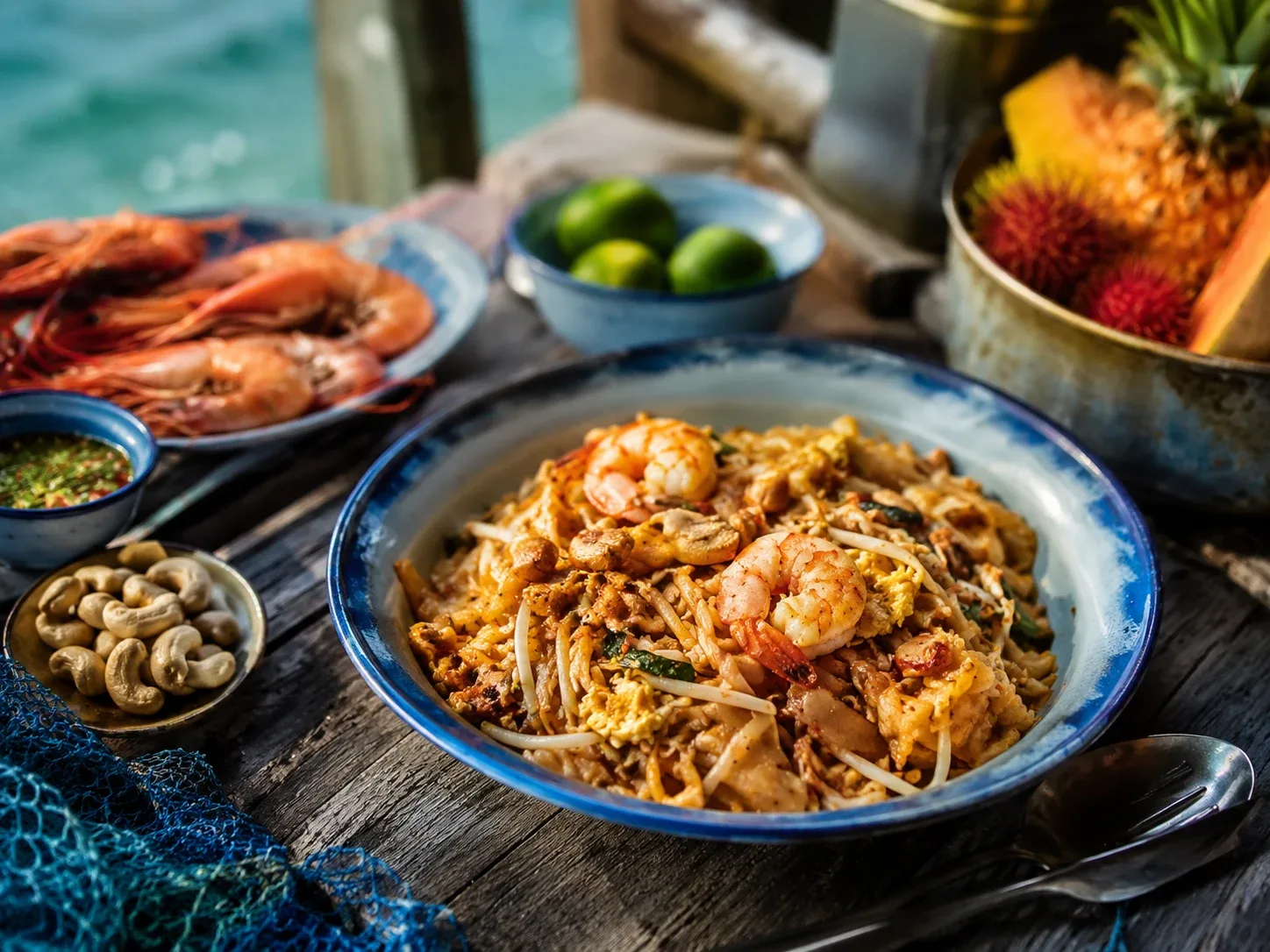
Kat Kyi Kaik, Dawei's Scissor-Cut Noodlesကတ်ကြေးကိုက်
Dawei's famous stir-fried rice noodles, snipped with scissors at the table — sweet-savory, smoky from the wok, piled with prawns, egg, and peanuts.
 ၁
၁Rice & Foundations · 210 min · Intermediate
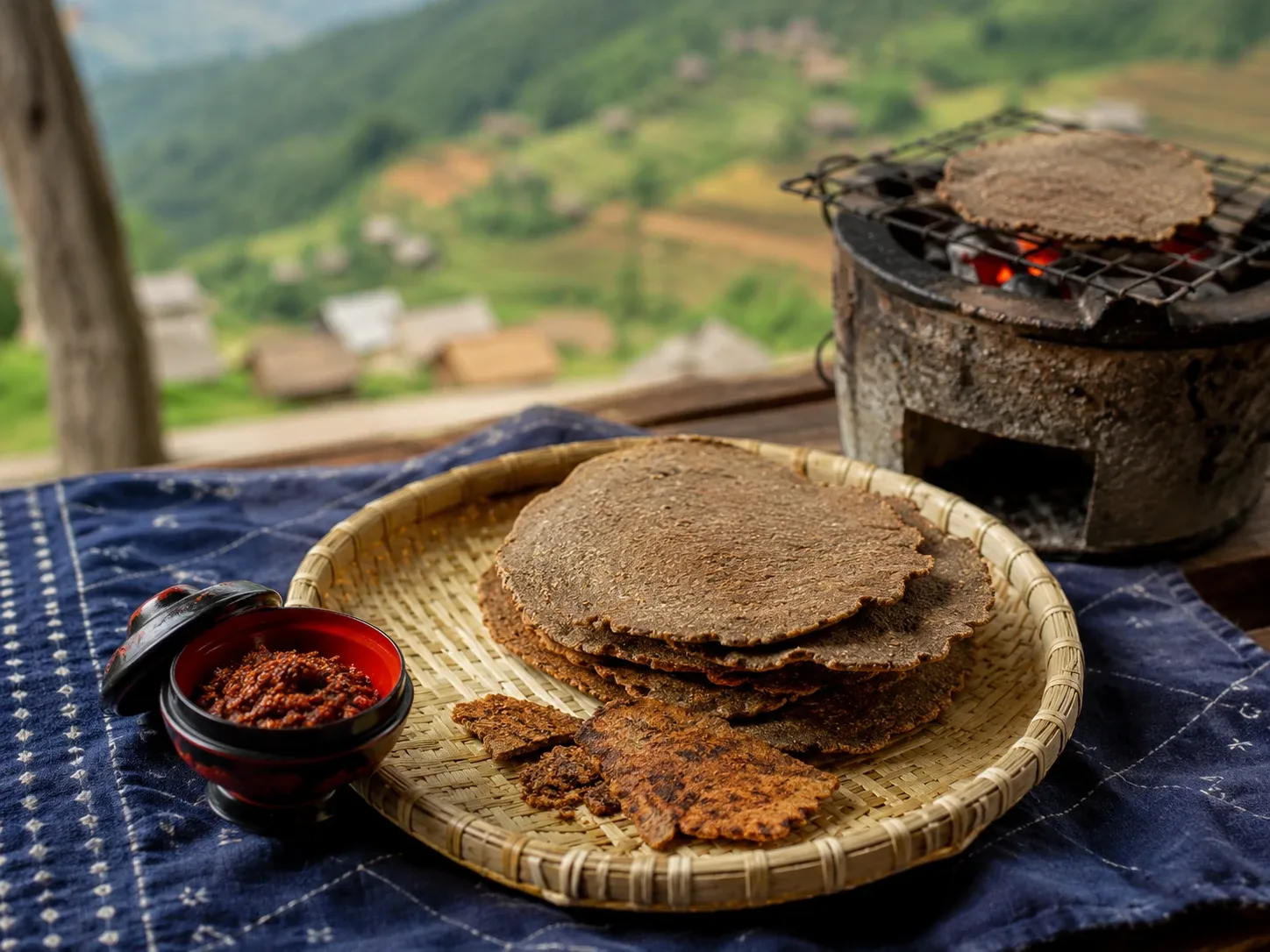
Tua Nao, Shan Fermented Soybean Discsပဲပုပ်
Shan State's seasoning backbone — soybeans boiled, fermented, pounded, and sun-dried into discs you toast over flame and crumble into everything.