Ngapi Yay, the Table's Dipping Sauce
ငါးပိရည်
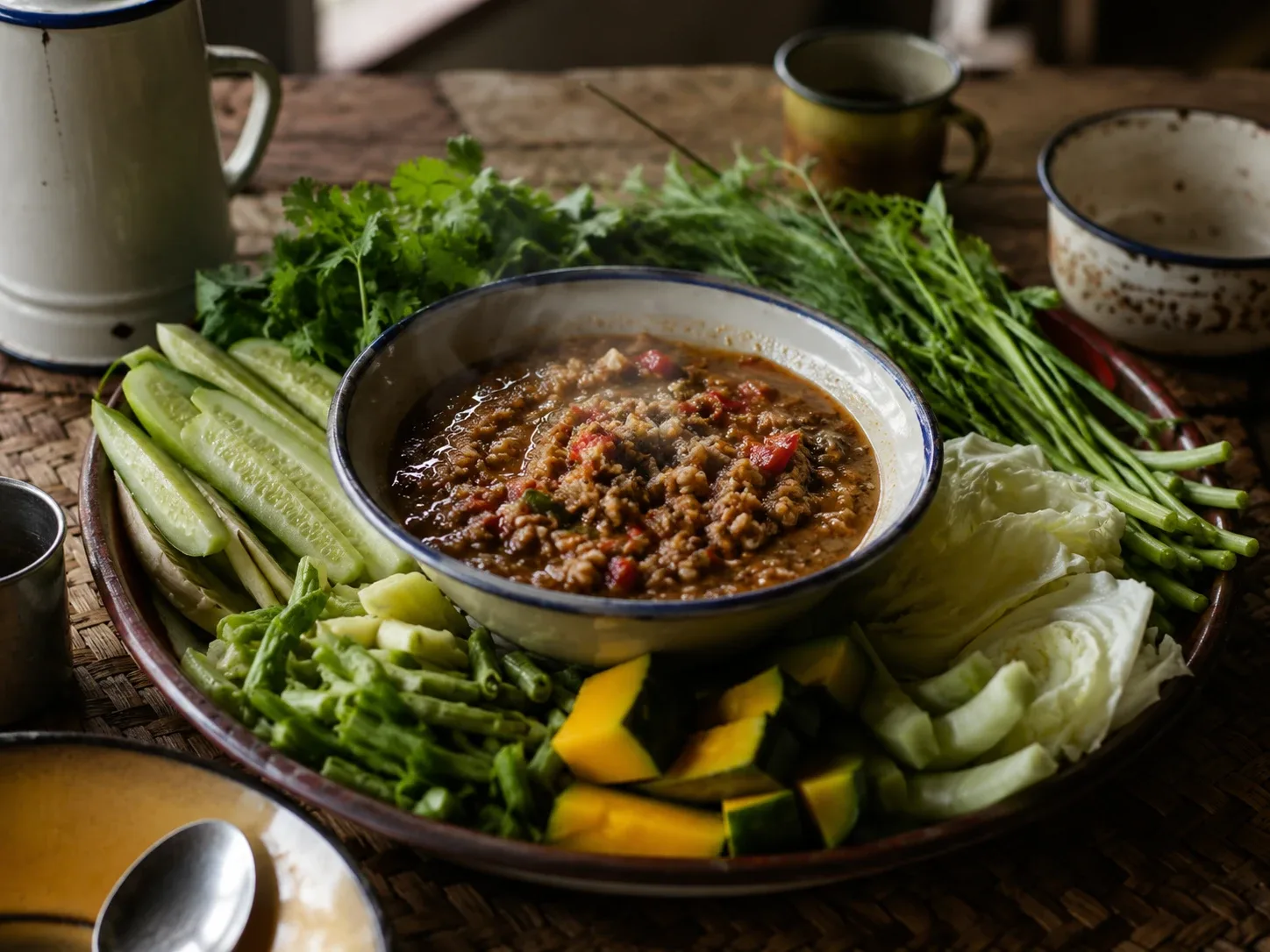
The delta's communal dip — fermented fish paste simmered with garlic and chili into a loose sauce, set at the center of the table with vegetables.
By Burmese Cookbook Kitchen · June 4, 2026
ဧရာဝတီ Ayeyarwady DeltaBagan, 849–1297
 ၁
၁- Prep
- 20 min
- Cook
- 15 min
- Serves
- 6
- Level
- Beginner
Every food culture has a dish that marks the border between visiting and belonging. In Burma it is ngapi yay — literally ngapi water — a loose, pungent sauce of fermented fish paste simmered, strained, and sharpened with roasted garlic, chili, and lime, set in the middle of the table with a plate of vegetables for dipping. One bowl, many hands. Curries come and go with the household's fortunes; ngapi yay and rice are the constant.
Fermented fish is the oldest continuous thread in Burmese cooking — the delta and the great rivers made it inevitable, and tribute lists from the Bagan era already count preserved fish among the goods moving upriver. The paste concentrated a monsoon glut of fish into something that would keep through the dry months, and stretching a spoonful of it into a sauce for a basket of vegetables is the delta's oldest economy. The vegetable plate that rings the bowl — the tozaya — is its own quiet pleasure, blanched okra and beans, raw cucumber and cabbage, whatever the market gave.
The technique is small but real. Simmer and strain the ngapi rather than using it raw — cooking blooms it and the sieve catches the grit. And roast the garlic, shallot, and chilies until charred in spots, because that sweetness and smoke are what turn fish paste into a sauce with an argument instead of a shout. Serve it strong, and let the vegetables do the diplomacy.
Ngapi yay should be loose enough to drag a piece of okra through and strong enough that one dip is plenty. If people are drinking it like gravy, it is too weak; if they wince, add water, not apology.
မီးဖိုချောင်စကား · A word from the kitchen
Ingredientsပါဝင်ပစ္စည်း
Serves 6
Tap to check off as you gather
For the sauce
- ngapi (shrimp paste) — fish ngapi is traditional for this — use what you can get; block paste, not bottled sauce
- water
- garlic — unpeeled, for roasting
- dried red chilies — or 2 fresh green chilies for a brighter, sharper sauce
- shallots — one roasted for the sauce, one sliced raw into it at the end
- dried shrimp — optional — pounded in for body
- lime — a small squeeze at the end, to taste
For dipping
- okra — blanched whole
- green beans — or winged beans; blanched
- cabbage — cut into wedges, raw or briefly blanched
- cucumber — cut into thick batons, raw
- pennywort or watercress — or any crisp raw leaf the market offers
Methodချက်နည်း
Tap a numeral as you finish each step
Step 1: Simmer the ngapi into water
Crumble the ngapi into the water in a small pot and bring it to a gentle simmer, mashing with a spoon until it fully dissolves — about 5 minutes. Strain it through a fine sieve into a bowl and discard the grit. This simmering both cleans the paste and blooms its flavor; raw ngapi is a blunt instrument, cooked ngapi is a seasoning.
Step 2: Roast the aromatics
In a dry pan over medium heat, roast the unpeeled garlic cloves, one whole shallot, and the dried chilies, turning, until the skins char in spots and the flesh softens — 6 to 8 minutes. The charring is not decoration; the smoke and sweetness it builds are what keep the sauce from tasting one-dimensionally of fish.
Step 3: Pound the base
Peel the roasted garlic and shallot and pound them in a mortar with the chilies and the dried shrimp, if using, to a rough paste. Rough is right — ngapi yay is a village sauce, and a blender-smooth version loses the little hits of chili and garlic that make each dip different.
Step 4: Combine and simmer briefly
Stir the pounded paste into the strained ngapi liquid and simmer for 3 to 4 minutes, until it thickens to something looser than a chutney and thicker than a broth — it should coat a piece of okra without clinging in a blob. Taste and adjust with water; it should be assertive but not punishing.
Step 5: Finish and set the table
Off the heat, stir in the raw sliced shallot and a small squeeze of lime. Pour into one bowl — singular, communal — and set it at the center of the table ringed by the blanched and raw vegetables. Everyone dips into the same bowl; that is not a serving suggestion, it is the dish.
ခွက်ယောက် · The tools
Equipment
Small saucepan
အိုးငယ်For toasting besan, blooming chili oil, palm-sugar syrups, and the teahouse’s twice-pulled tea.
Shop on Amazon →Rice cooker
ထမင်းအိုးConsistent long-grain rice with zero attention — and in a Burmese kitchen the rice is never optional.
Shop on Amazon →Stone mortar & pestle
ဆုံFor garlic-ginger paste, pounded dried shrimp fluff, and crushed peanuts — the blender lies about texture; the stone doesn’t.
Shop on Amazon →Fine sieve / muslin
စစ်ခွက်For straining tamarind, pressing broth clear, and sifting flours — line it with muslin for the cleanest pour.
Shop on Amazon →
Equipment links are Amazon affiliate links. As an Amazon Associate we earn from qualifying purchases, at no cost to you. Disclosure.
ဟင်းစုံ · Set the table
A Burmese meal is a spread
The quiet base of the meal — build the rest of the spread around it:
- A curryဟင်းSlow-cooked until the oil returns — the richness the sides cut against.
- A light soupဟင်းချိုThe clear, sour broth sipped between mouthfuls of rice.
- Toh sa yar & ngapi dipတို့စရာRaw and blanched vegetables with a pungent fish-paste dip — the fresh, bitter counterpoint.
- A hand-tossed thokeအသုပ်A bright, sour salad to lift the whole spread.
- Si chet, chili oilဆီချက်The fragrant red oil every household keeps by the stove.
Questions from the kitchen
How strong is this going to taste, honestly?
Strong. Ngapi yay is the most uncompromising dish in this chapter — the first encounter is usually a shock and the third is usually a craving. Simmering and straining the paste, and roasting the aromatics properly, turn the aggression into depth. Start with less ngapi if you are nervous; you can always crumble in more.
Which vegetables are correct?
Whatever is crisp and in season — the vegetable plate, called tozaya, changes with the market. Okra, winged beans, cabbage, cucumber, eggplant, bamboo shoots, pennywort, young tamarind leaves in the delta. The only rule is contrast: cool, plain, watery things against a hot, salty, fermented dip.
Can I make it ahead?
The cooked base keeps for three or four days in the fridge and its flavor settles pleasantly. Add the raw shallot and lime only when you serve, and loosen with a spoonful of warm water — it thickens as it sits.
နောက်တစ်ခု · Cook next
Keep the wok hot
 ၁
၁Rice & Foundations · 30 min · Beginner
Si Chet, Burmese Chili Oilဆီချက်
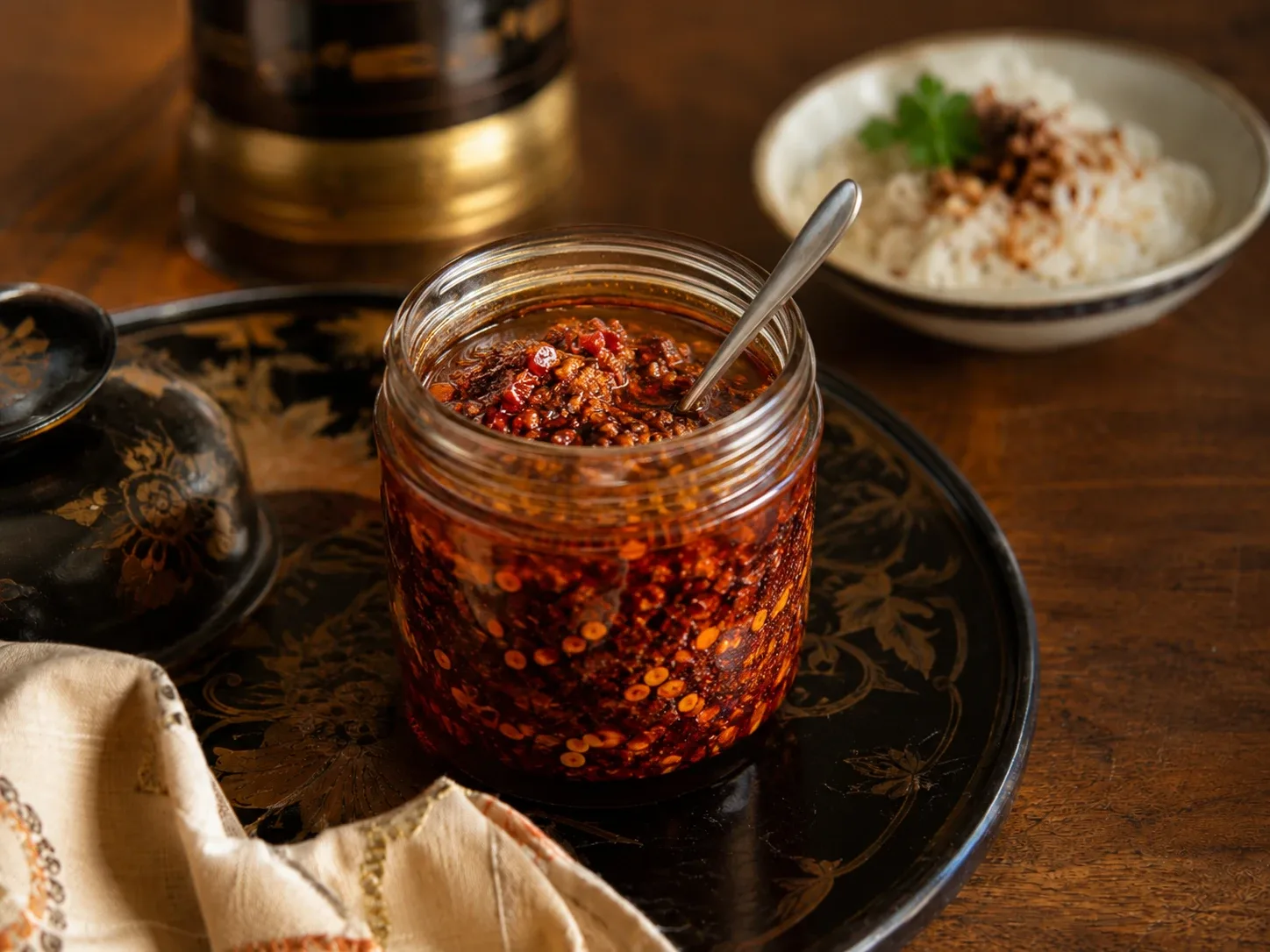
The essential Burmese table oil — peanut oil gently fried with chili flakes, garlic, shallot, and a little ngapi, then spooned red over rice, noodles, and salads.
 ၁
၁Rice & Foundations · 40 min · Beginner
Toh Sa Yar, the Vegetable & Ngapi Platterတို့စရာ
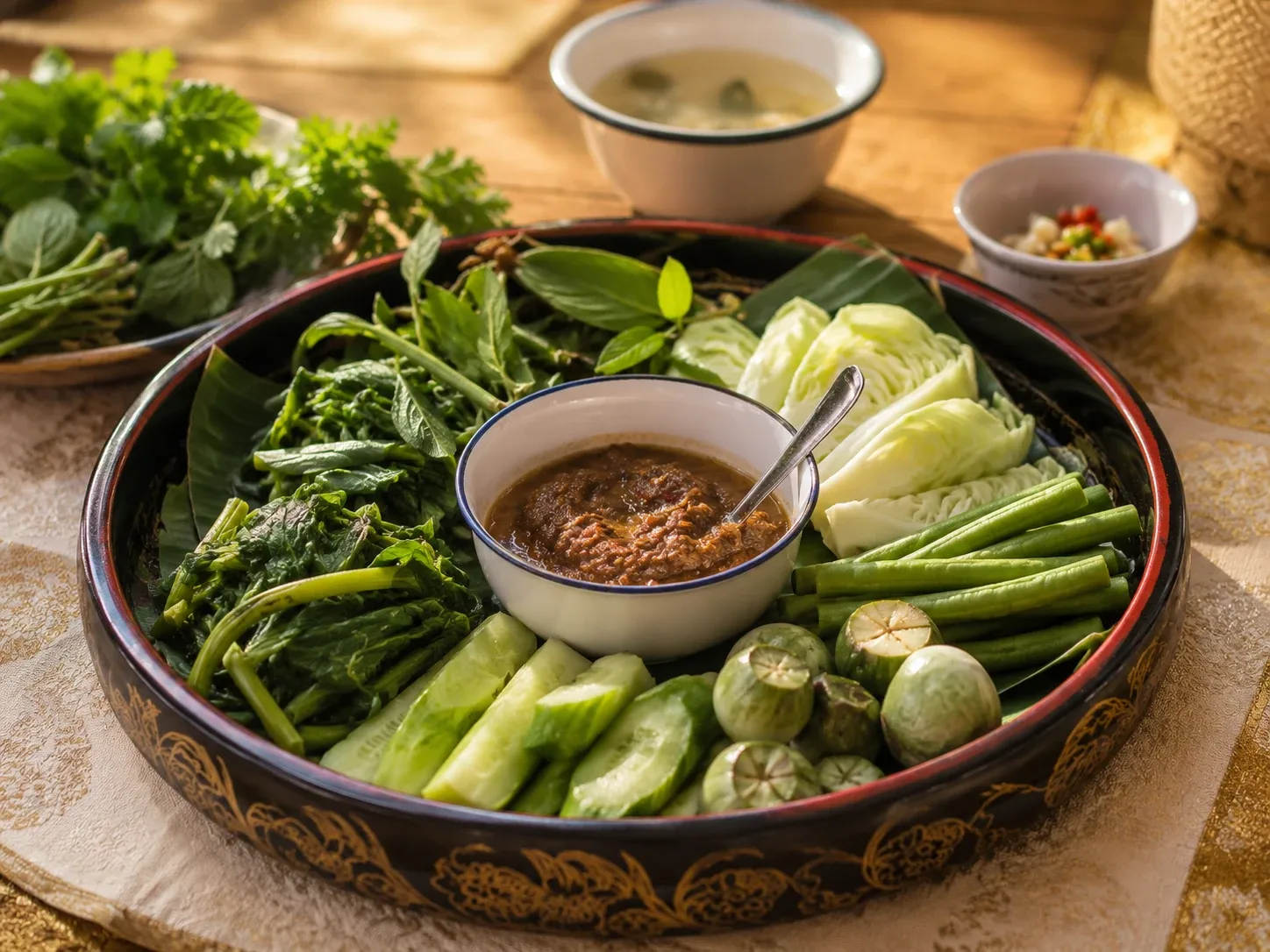
The platter of raw and blanched vegetables around a pungent ngapi dip that no Burmese meal is complete without — the fresh, bitter counterpoint to curry.
 ၄
၄Salads & Thoke · 25 min · Beginner
Rakhine Ngapi Thoke, the Pounded Fireငါးပိသုပ်
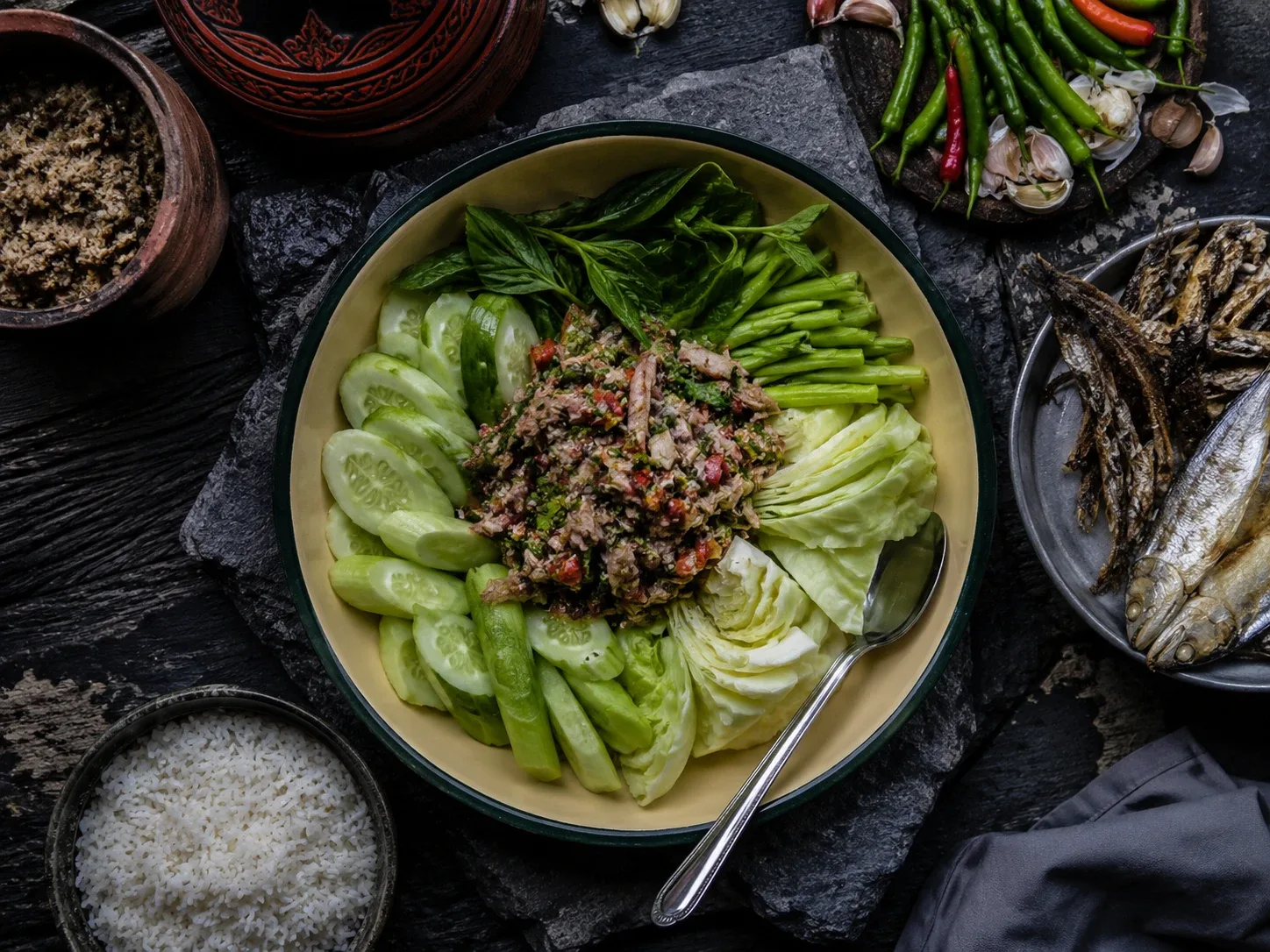
Rakhine's roasted fish-paste salad — marine ngapi pounded with green chili, garlic, and lime, served the western-coast way with crisp vegetables and rice.