Shan Tofu from Chickpea Flour
တိုဟူး
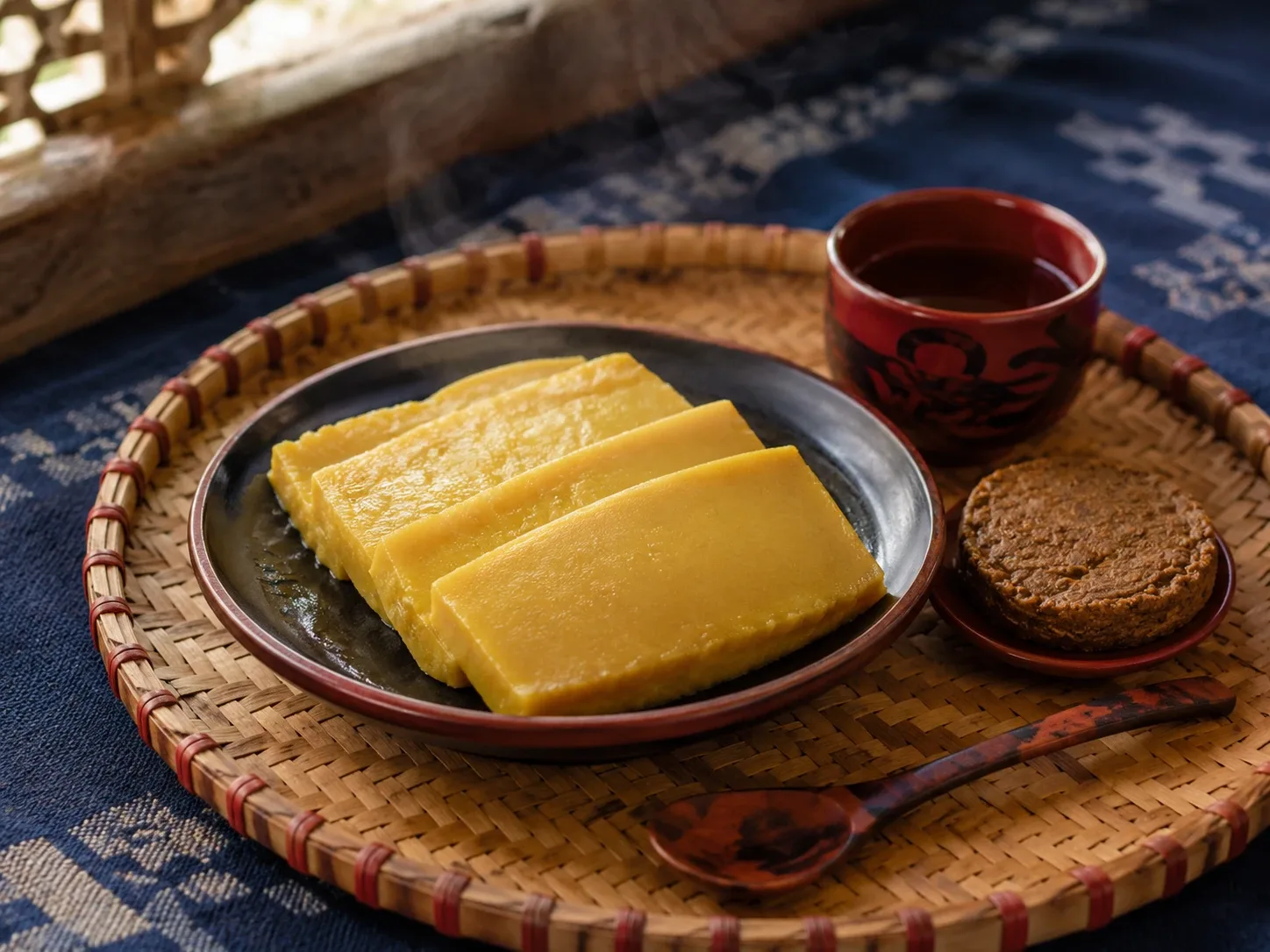
Golden Shan-style tofu set from chickpea flour alone — no coagulant, just a besan batter stirred like polenta until glossy, then cooled into silken slabs.
By Burmese Cookbook Kitchen · June 5, 2026
ရှမ်း Shan StateAva & the Fragment Kingdoms, 1364–1555
 ၁
၁- Prep
- 10 min
- Cook
- 30 min
- Serves
- 6
- Level
- Intermediate
Shan tofu is one of the great sleights of hand in Southeast Asian cooking: a tofu with no soybeans, no curdling, no pressing. The Shan people of Burma's eastern hills make it from chickpeas alone — soaked, ground, and cooked, or in the modern kitchen simply whisked from besan — because the starch in the chickpea will gel all by itself, the same trick that sets polenta. What comes out of the pot is a trembling golden slab, nutty and faintly grassy with turmeric, sturdier in flavor and silkier in texture than the soy tofu it is named for.
The Shan plateau has cooked from the chickpea and its cousins for centuries — hill trade in pulses between the Shan states and the Ava heartland is as old as the routes themselves, and tohu long ago crossed the hills to become an all-Burma staple. In Shan towns like Hsipaw and Nyaungshwe it is a morning industry; in Yangon, tohu thoke — the salad — is standard teashop fare.
Everything hangs on one stretch of stirring. The slurry must cook past merely thick to glossy and translucent, stirred constantly so the bottom never catches — ten to fifteen minutes of honest work, and the reason this recipe is the chapter's only intermediate one. The ribbon test tells you when. From there it is patience: pour, cool, slice, and you hold the foundation of a dozen dishes — a bag of besan turned into something a market would sell you with pride.
The batter is done when a ribbon dropped from the spoon sits on the surface for a slow three-count before sinking. Pour early and it never sets; stir past glossy and you are welding it to the pot.
မီးဖိုချောင်စကား · A word from the kitchen
Ingredientsပါဝင်ပစ္စည်း
Serves 6
Tap to check off as you gather
- chickpea flour (besan)
- water — divided — half for the slurry, half for the pot
- turmeric — the signature gold — Shan cooks vary from a pinch to a blaze
- salt
- peanut oil — for the setting dish, plus a little to film the surface
Methodချက်နည်း
Tap a numeral as you finish each step
Step 1: Make the slurry and let it rest
Whisk the chickpea flour into 600 ml of cold water until completely smooth, then let it stand for 30 minutes. The rest lets the flour hydrate fully and any coarse bran settle — a rested slurry cooks up silkier, and the traditional overnight soak of whole ground chickpeas was doing exactly this job.
Step 2: Prepare the setting dish
Lightly oil a 20 cm square dish or deep plate and set it within reach of the stove. Once the batter is ready it waits for no one — it begins setting the moment it stops moving, so everything downstream must be ready before you start stirring.
Step 3: Bring the pot to a simmer
Bring the remaining 600 ml of water to a simmer in a heavy-bottomed pot with the salt and turmeric. A thin pot scorches the batter at the base before the middle thickens; this is one recipe where the good pot earns its keep.
Step 4: Stir like polenta
Give the slurry a fresh whisk, then pour it into the simmering water in a steady stream, stirring constantly. Drop the heat to medium-low and keep stirring — constantly, into the corners, a figure-eight with a wooden spoon — for 10 to 15 minutes. The batter will turn from cloudy to thick to, finally, glossy and translucent, pulling away from the sides as you stir. That gloss is the starch fully cooked; stop short of it and the tofu tastes raw and never firms.
Step 5: Test, then pour
Lift the spoon and drop a ribbon of batter back onto the surface — it should hold its shape for about three seconds before melting in. Pour immediately into the oiled dish, smooth the top with the back of the spoon, and film the surface with a whisper of oil to stop a skin forming.
Step 6: Cool until sliceable
Leave the dish at room temperature until fully cool and set, about 2 hours — the wobble firms as it cools. Turn it out and slice. It should cut cleanly, quiver gently, and taste nutty and faintly of turmeric. Eat within two days, keeping it at room temperature under a damp cloth for the first day or refrigerated after.
ခွက်ယောက် · The tools
Equipment
Rice cooker
ထမင်းအိုးConsistent long-grain rice with zero attention — and in a Burmese kitchen the rice is never optional.
Shop on Amazon →
Equipment links are Amazon affiliate links. As an Amazon Associate we earn from qualifying purchases, at no cost to you. Disclosure.
ဟင်းစုံ · Set the table
A Burmese meal is a spread
The quiet base of the meal — build the rest of the spread around it:
- A curryဟင်းSlow-cooked until the oil returns — the richness the sides cut against.
- A light soupဟင်းချိုThe clear, sour broth sipped between mouthfuls of rice.
- Toh sa yar & ngapi dipတို့စရာRaw and blanched vegetables with a pungent fish-paste dip — the fresh, bitter counterpoint.
- A hand-tossed thokeအသုပ်A bright, sour salad to lift the whole spread.
- Si chet, chili oilဆီချက်The fragrant red oil every household keeps by the stove.
Questions from the kitchen
There is no soy in this at all?
None. Shan tofu is pure chickpea — the starch in the besan gels the water as it cooks, the way cornmeal sets polenta, so no coagulant is needed. It is closer kin to Sicilian panelle than to Chinese doufu, though the Shan named it after the tofu the technique replaced.
Why didn't mine set?
Undercooking, almost always. The batter must reach the thick, glossy, translucent stage — cloudy and merely thick is not done, and no amount of chilling will rescue uncooked starch. Weigh the flour rather than cupping it, keep the full 1 to 6 ratio of flour to water, and stir until the ribbon test holds.
What do I do with it once it is set?
Slice it into a salad — tohu thoke, dressed with shallot oil, tamarind, and crushed peanuts — or cut it into wedges and fry until the outside crisps and the inside goes molten. The still-warm, unset batter is its own dish too, ladled over noodles as tohu byawk, so-called warm tofu.
Can I halve or double the recipe?
Halving works well in a smaller pot. Doubling is honest hard labor — the stirring gets heavy and the scorch risk rises — so make two batches instead unless your arms and your pot are both serious.
နောက်တစ်ခု · Cook next
Keep the wok hot
 ၁
၁Rice & Foundations · 30 min · Beginner
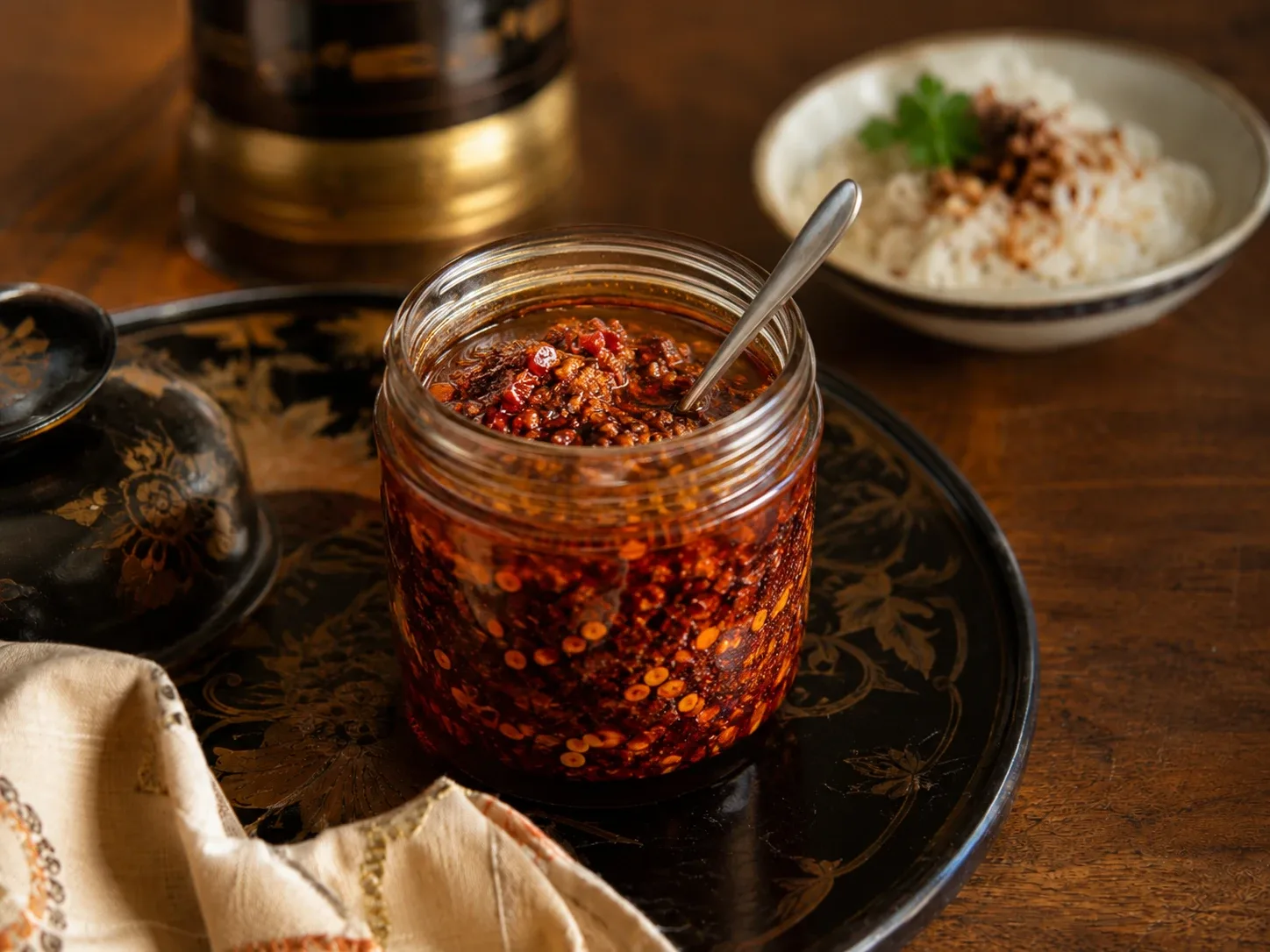
Si Chet, Burmese Chili Oilဆီချက်
The essential Burmese table oil — peanut oil gently fried with chili flakes, garlic, shallot, and a little ngapi, then spooned red over rice, noodles, and salads.
 ၁
၁Rice & Foundations · 40 min · Beginner
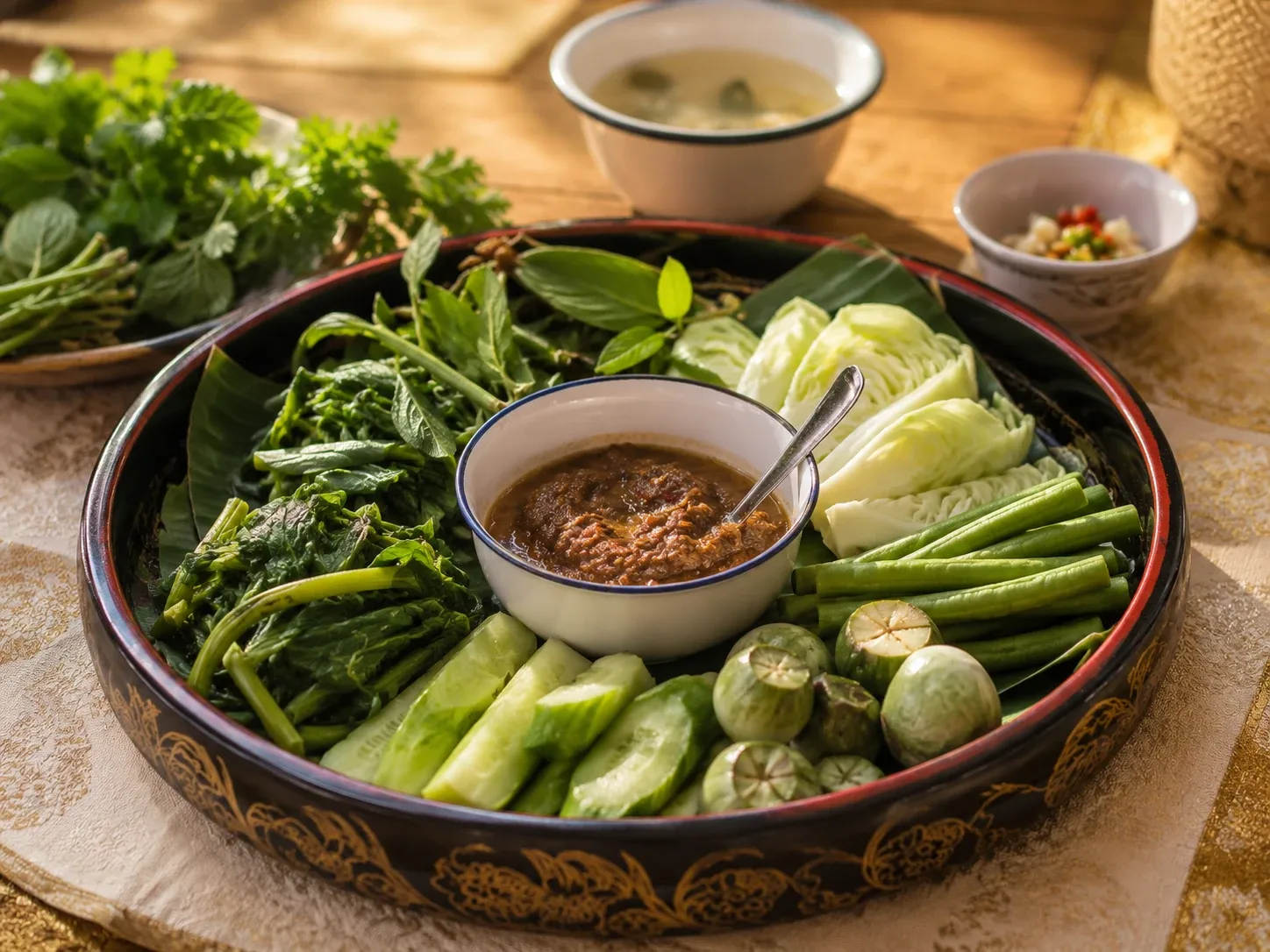
Toh Sa Yar, the Vegetable & Ngapi Platterတို့စရာ
The platter of raw and blanched vegetables around a pungent ngapi dip that no Burmese meal is complete without — the fresh, bitter counterpoint to curry.
 ၃
၃Curries · 100 min · Intermediate
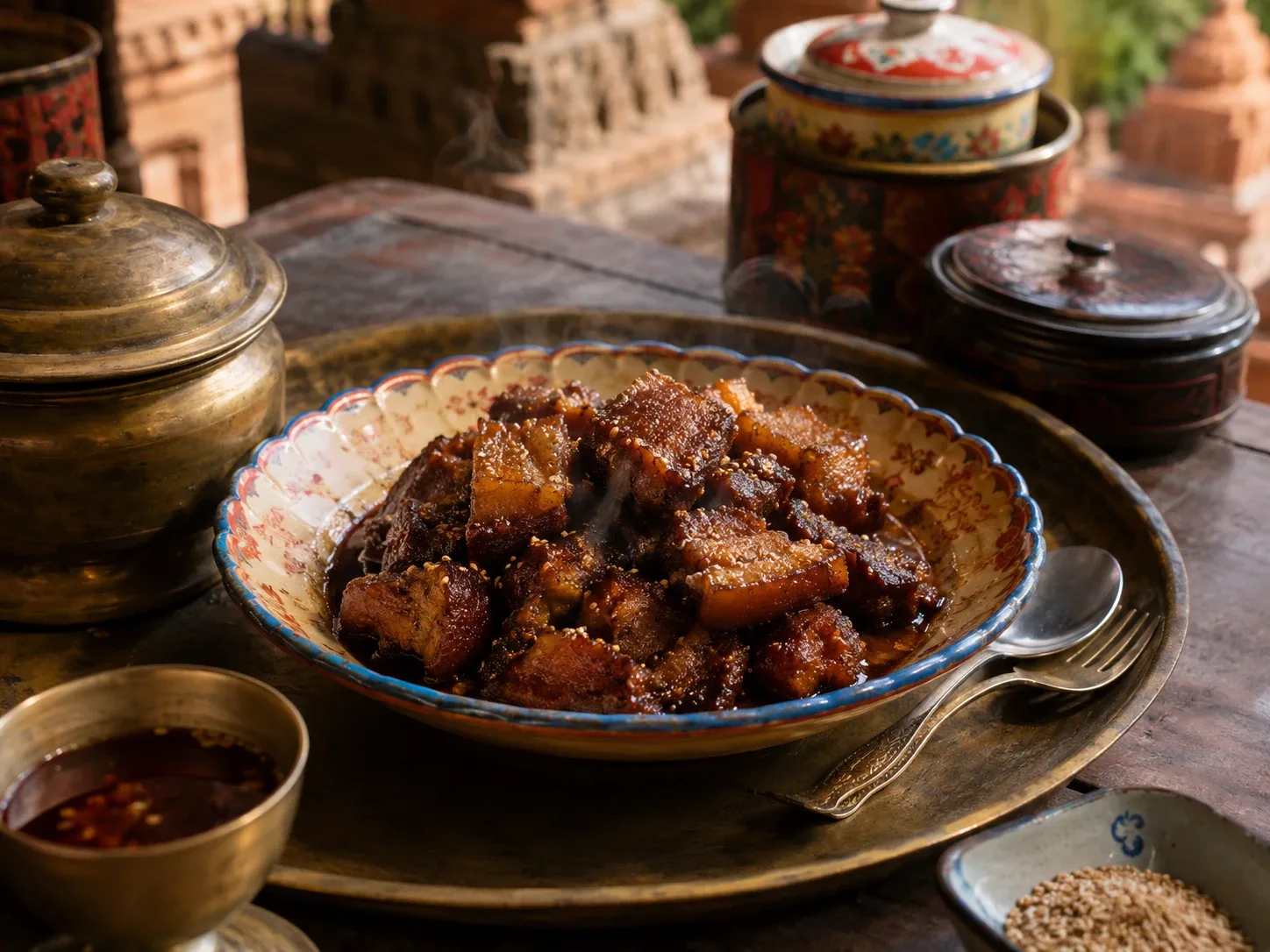
Wet Thar Pone Yay Gyi, Bagan Pork Curryပုန်းရည်ကြီးဝက်သား
Bagan's signature pork curry — pone yay gyi braised si pyan style until the oil returns, the sauce dark and sour with fermented horse-gram bean paste.