Tohu Kyaw, Fried Shan Tofu
တိုဟူးကြော်
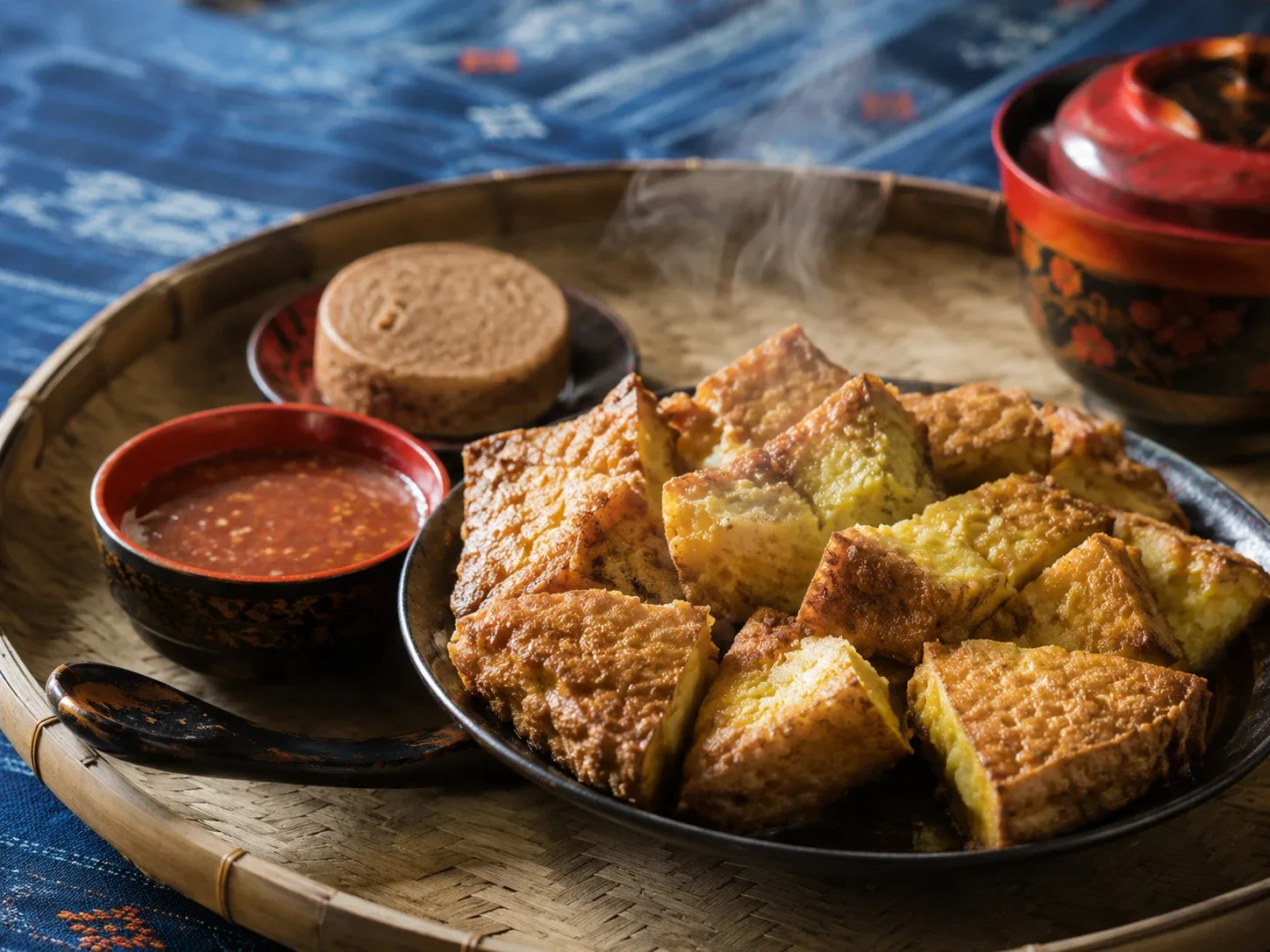
Wedges of Shan chickpea tofu fried until the crust shatters and the middle turns molten, served hot with a sour tamarind-garlic dipping sauce.
Also spelled: Tohu Jaw · To Hpu Gyaw · Hto Hpu Kyaw
By Burmese Cookbook Kitchen · July 9, 2026
ရှမ်း Shan StateKonbaung, 1752–1885
 ၆
၆- Prep
- 15 min
- Cook
- 25 min
- Serves
- 4
- Level
- Beginner
Walk any market lane in Taunggyi, Nyaungshwe, or Kalaw in the rainy season and you will hear this dish before you see it — the steady rustle of golden wedges going into hot oil, a sound that gathers a queue out of thin air. Hto hpu kyaw is Shan tofu, the chickpea kind, cut into triangles and fried until the outside blisters deep gold while the inside melts back toward the warm porridge it once was. It may be the best argument in all of Burmese street food for the proposition that texture is flavor.
The dish rides on the history of Shan tofu itself — the tofu idea carried over the mountains from Yunnan and rebuilt in the hills from chickpeas and yellow split peas, a story documented no earlier than the late Konbaung era though certainly older in practice. Frying it was the obvious next move, and the markets made the pairing with sour tamarind sauce canonical: rich, mild fritter; sharp, garlicky dip; repeat until the bag is empty.
Everything hangs on two disciplines. The tofu must be properly set and properly cold — a fresh, wobbly slab tears in the oil — and dried until your paper towel comes away clean. And the oil must be honestly hot, with the wedges given space and left untouched while the crust forms. Fry to the queue, even if the queue is your own family standing around the stove, because five minutes after the oil this dish begins its slow decline into something merely good.
Fry in small batches and serve in smaller ones. Hto hpu kyaw holds its molten heart for about five minutes — the vendors fry to the queue, and so should you.
မီးဖိုချောင်စကား · A word from the kitchen
Ingredientsပါဝင်ပစ္စည်း
Serves 4
Tap to check off as you gather
For the tofu
- chickpea tofu (Shan tofu) — one fully chilled batch from our foundations chapter — at least four hours in the fridge, overnight is better
- peanut oil — for frying; enough for 2 cm depth in your pan
- rice flour — for dusting — optional insurance for an extra-crisp crust
For the tamarind dipping sauce
- tamarind — seedless pulp, soaked in 80 ml warm water
- garlic — pounded to a paste
- fish sauce — or light soy sauce to keep it vegetarian
- palm sugar (jaggery) — grated
- dried chili flakes
- roasted peanuts — crushed fine
- cilantro — chopped
Methodချက်နည်း
Tap a numeral as you finish each step
Step 1: Make the sauce first
Mash the soaked tamarind into its water and press it through a sieve. Stir in the garlic paste, fish sauce, jaggery, and chili flakes until the sugar dissolves, then add the peanuts and cilantro. It should be sharply sour first, salty second, sweet a distant third — it has a rich, bland fritter to argue with.
Step 2: Cut the tofu
Cut the cold tofu slab into triangular wedges about 2 cm thick — the classic market cut, all straight lines and sharp corners. Wipe the knife between cuts. Pat every surface truly dry with paper towels, and dust lightly with rice flour if using; surface water is the enemy of both crispness and your forearms.
Step 3: Heat the oil properly
Heat the oil in a wide, deep pan to 180°C — a cube of bread should brown in about 30 seconds. Too cool and the wedges drink oil and slump; too hot and the crust colors before it sets. Chickpea tofu is more delicate than soybean tofu, and the right heat is what holds it together.
Step 4: Fry in small batches
Slide in five or six wedges — never crowd — and leave them alone for a full two minutes before the first turn; early prodding tears the forming crust. Fry, turning once or twice, until deep gold and blistered all over, 5 to 6 minutes per batch. Drain on a rack, not on paper, so the undersides stay crisp, and let the oil recover its heat between batches.
Step 5: Serve immediately
Pile the wedges up hot and eat them within minutes, dipped or drizzled with the tamarind sauce. The whole point is the contrast — a crust that shatters, then an interior that is nearly liquid again, the tofu remembering it was once porridge. Cold hto hpu kyaw is merely pleasant; hot, it is a queue-forming event.
ခွက်ယောက် · The tools
Equipment
Frying spider
ဇကာLift fritters clean out of the oil and drain them fast, before the crust turns soft. The street cook’s third hand.
Shop on Amazon →Stone mortar & pestle
ဆုံFor garlic-ginger paste, pounded dried shrimp fluff, and crushed peanuts — the blender lies about texture; the stone doesn’t.
Shop on Amazon →Fine sieve / muslin
စစ်ခွက်For straining tamarind, pressing broth clear, and sifting flours — line it with muslin for the cleanest pour.
Shop on Amazon →Box grater / microplane
ခြစ်စက်Fine ginger, green papaya shreds, and toddy-palm jaggery shavings.
Shop on Amazon →
Equipment links are Amazon affiliate links. As an Amazon Associate we earn from qualifying purchases, at no cost to you. Disclosure.
ဟင်းစုံ · Set the table
A Burmese meal is a spread
Snack-shop fare, eaten with the usual scatter of condiments:
- Si chet, chili oilဆီချက်The fragrant red oil every household keeps by the stove.
- Crispy fried shallotsကြက်သွန်ကြော်A spoonful of crunch and sweet shallot oil over anything.
- Teahouse milk teaလက်ဖက်ရည်How a Burmese meal ends — sweet, strong, and slow.
Questions from the kitchen
My wedges burst or stuck to the pan. What went wrong?
Almost always moisture or crowding. The tofu must be fully set and chilled, patted genuinely dry, and given room in the pan — steam from a crowded batch softens every crust it touches. A light dusting of rice flour buys forgiveness on all three counts.
Can I shallow-fry or air-fry instead?
Shallow-frying in 1 cm of oil works well — fry the two large faces of each wedge and accept paler edges. Air-frying gets you a decent crust at 200°C with a good brushing of oil, but the interior firms rather than staying molten, which trades away half the dish.
What else goes with it besides the tamarind sauce?
Market vendors often hand you a bag of fritters with a sachet of the same sauce, but hto hpu kyaw is also dropped into salads, laid over Shan noodles, or eaten with plain chili-garlic soy. And a mixed plate alongside gourd and split-pea fritters is a Burmese teatime in itself.
နောက်တစ်ခု · Cook next
Keep the wok hot
 ၆
၆Street & Fritters · 40 min · Intermediate
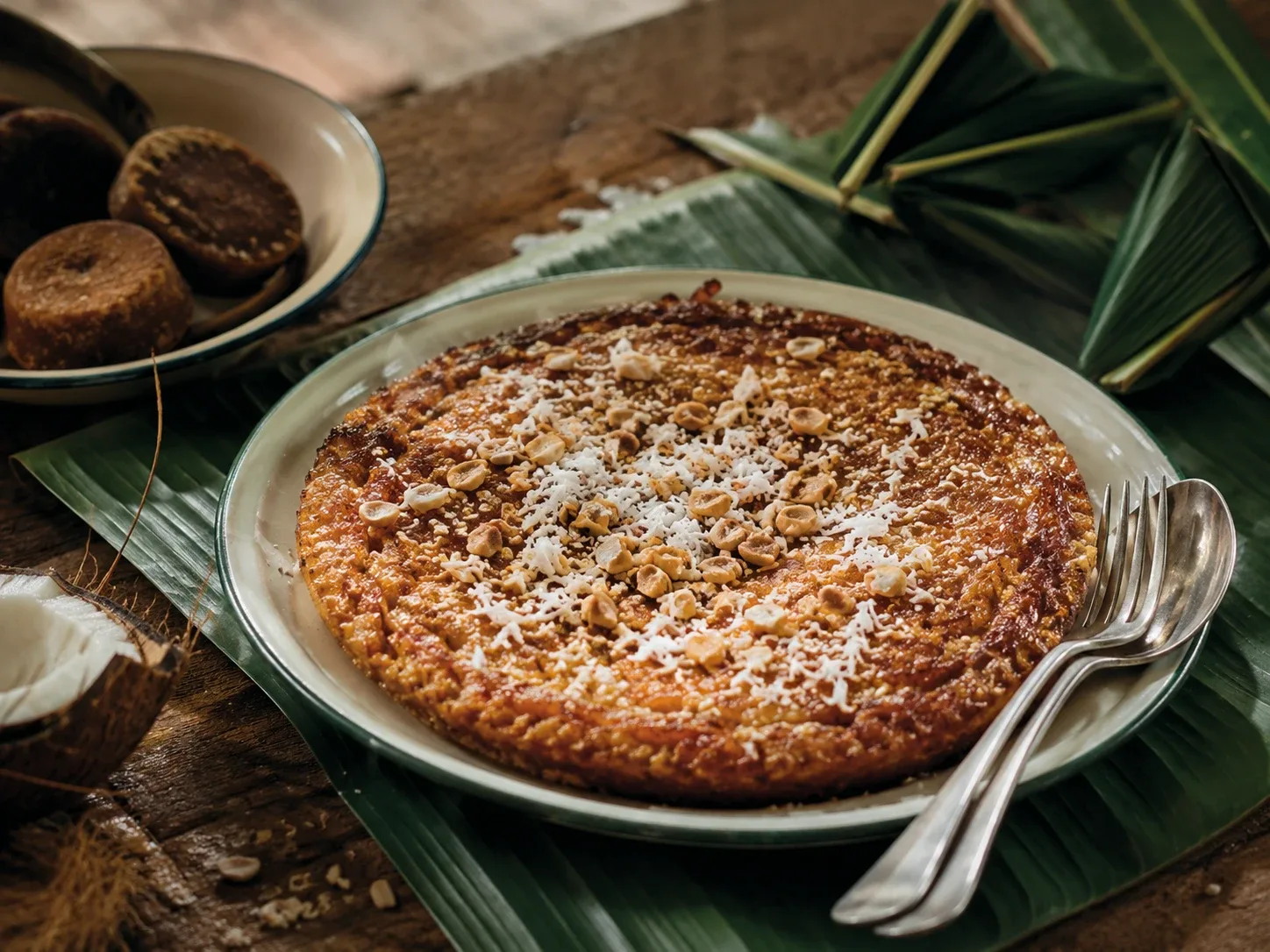
Bein Mont, the Jaggery Griddle Pancakeဘိန်းမုန့်
A thick rice-flour pancake raised on jaggery and crisped in a covered pan, showered with peanuts, coconut, and sesame — Lower Burma's teashop griddle mont.
 ၆
၆Street & Fritters · 25 min · Beginner
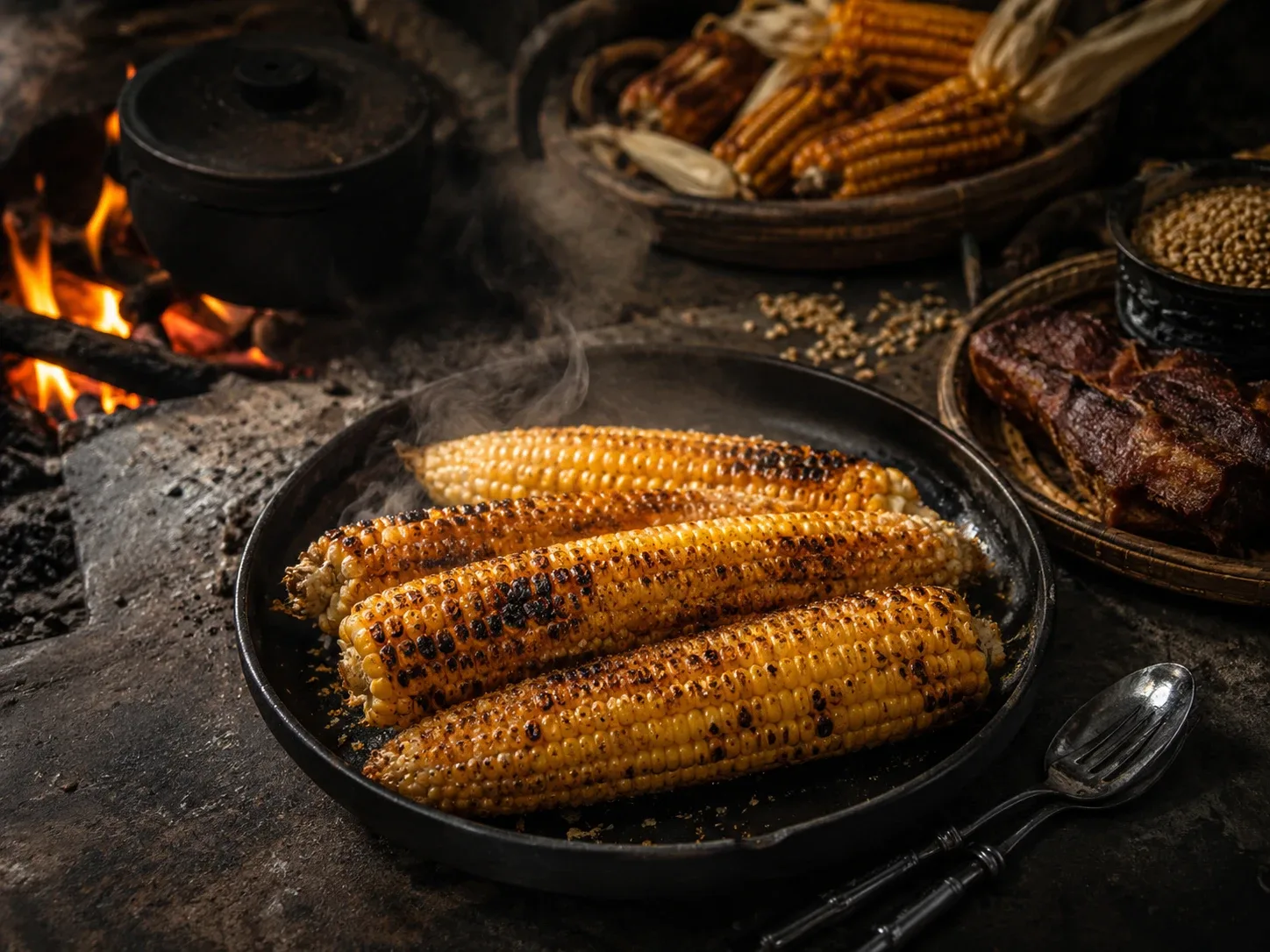
Fire-Roasted Corn with Chili Salt
Ears of corn roasted dark over open coals and rubbed with pounded chili salt — the taste of a Chin market morning, where maize is the mountain staple.
 ၄
၄Salads & Thoke · 25 min · Beginner
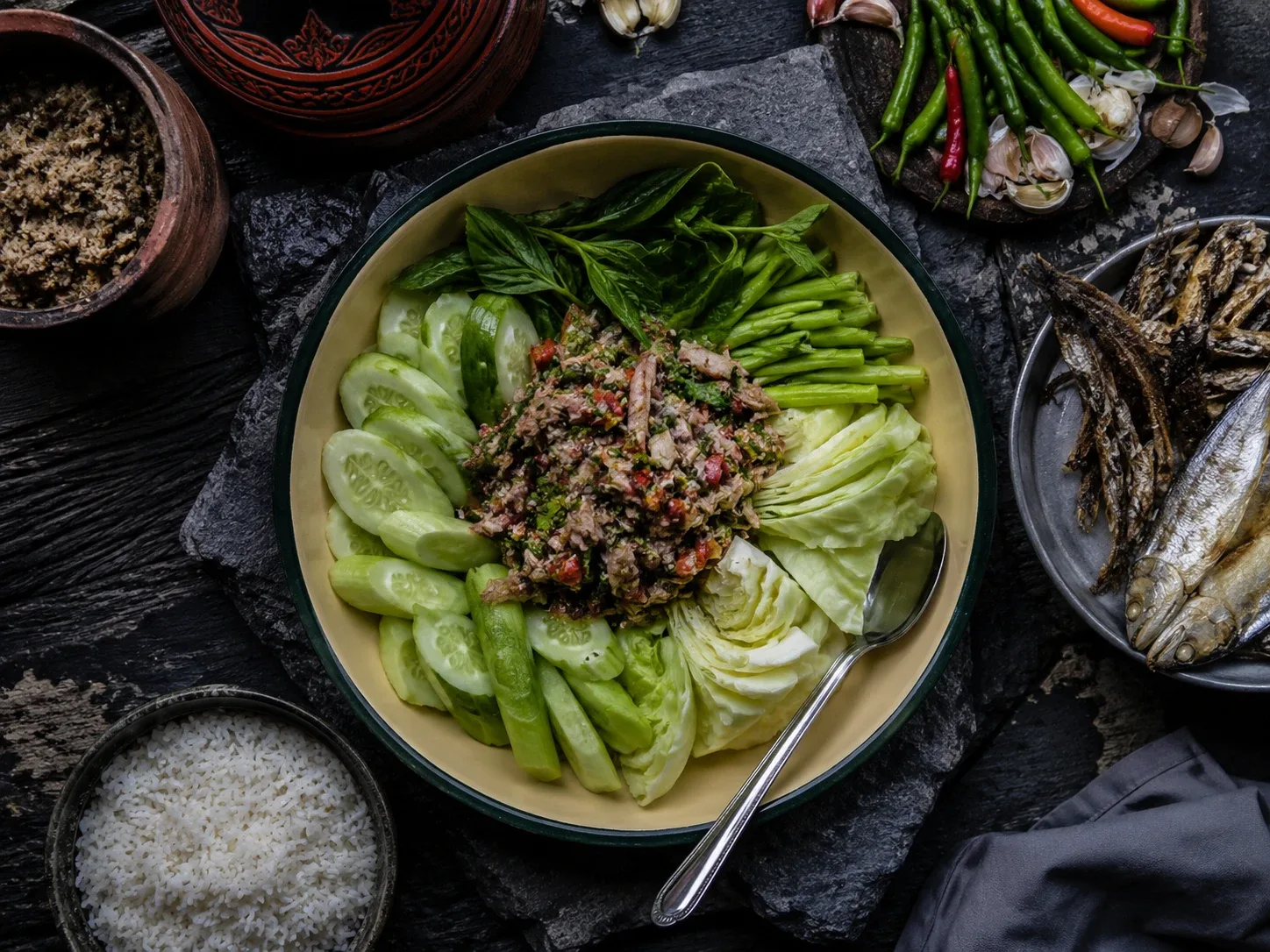
Rakhine Ngapi Thoke, the Pounded Fireငါးပိသုပ်
Rakhine's roasted fish-paste salad — marine ngapi pounded with green chili, garlic, and lime, served the western-coast way with crisp vegetables and rice.