Pazun Chauk Thoke, Dried Prawn Salad
ပုစွန်ခြောက်သုပ်
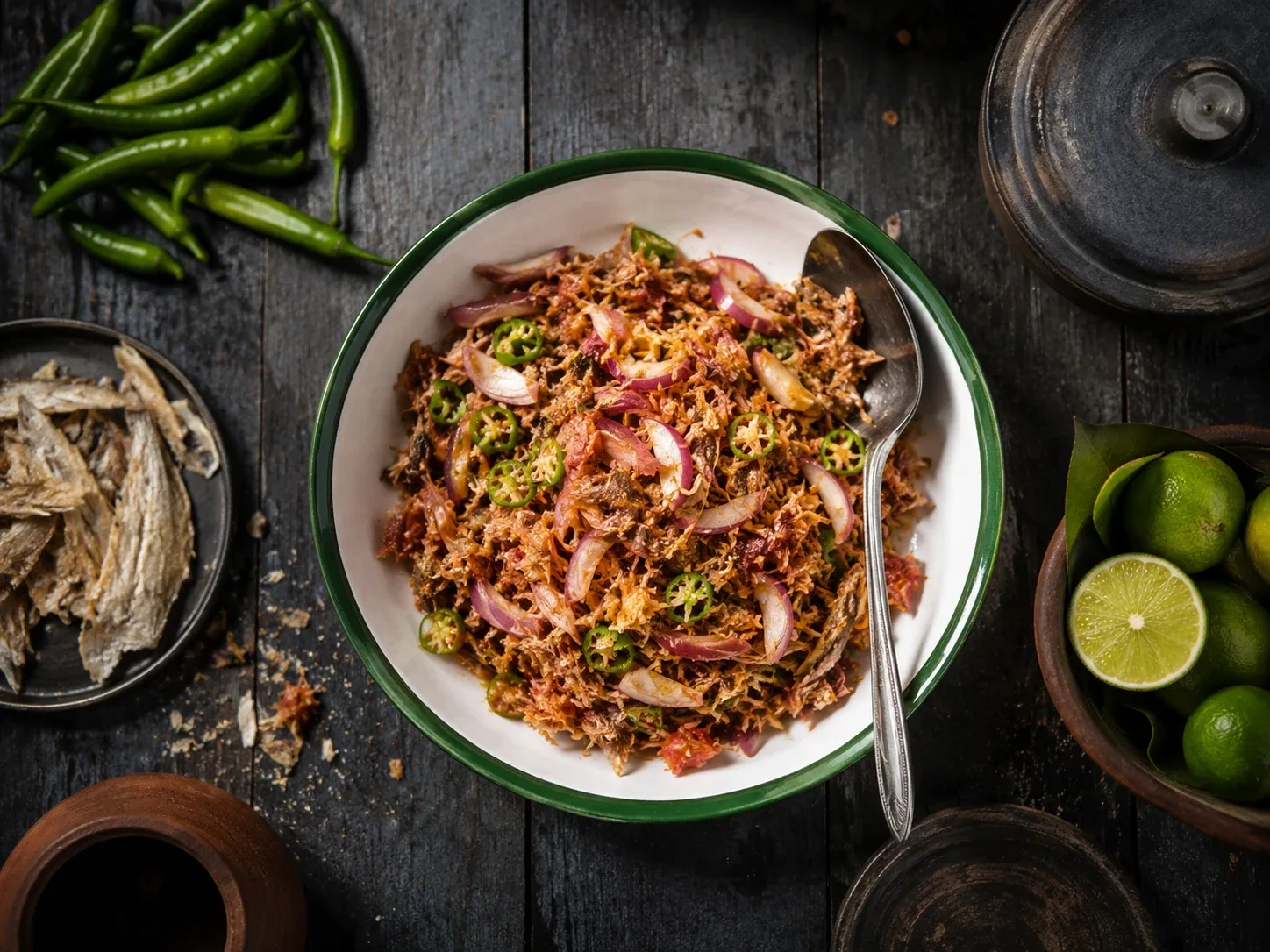
Rakhine's dried-prawn salad — sweet coastal shrimp pounded to floss, tossed with shallots, green chili, and lime, and finished with a spoon of garlic oil.
By Burmese Cookbook Kitchen · July 9, 2026
ရခိုင် Rakhine CoastBritish Burma, 1826–1948
 ၄
၄- Prep
- 20 min
- Cook
- 5 min
- Serves
- 4
- Level
- Beginner
Walk any market in Sittwe and you will pass sacks of dried prawns graded by size like gemstones, from dust for stock to thumb-length beauties the color of a sunset. Prawn drying is old on this coast, but it was the colonial era that turned Arakan's dried seafood into ledger lines — cured fish and shrimp shipped out of Akyab, as Sittwe was then called, alongside the rice that made the port's fortune. The salad here is what those prawns have always become at home: pounded, sharpened, and eaten with rice, a dish documented mostly by the people who grew up eating it.
Pazun chauk thoke runs on one transformation. Whole dried prawns are briefly soaked, then pounded until they break into a light floss — coarse wool, not powder — that swallows lime juice and fish sauce whole. Around that floss goes the Rakhine trinity: raw shallot, green chili in quantities that raise eyebrows elsewhere in Myanmar, and lime doing the work that oil does in other regions' salads. The single spoonful of garlic oil is the dish's whole richness budget, and it is spent well.
Two honest notes. First, this is a variant claim, not an invention — dried prawn salads are eaten across Burma, but the lean, chili-heavy, lime-driven version belongs to the western coast. Second, the mortar matters: floss from a food processor is acceptable, but floss from patient pounding holds the dressing better, and your wrist will learn the difference in one batch.
Buy dried prawns that still blush orange and smell sweet — grey, ammoniac ones were old before you met them, and no amount of lime will fix that.
မီးဖိုချောင်စကား · A word from the kitchen
Ingredientsပါဝင်ပစ္စည်း
Serves 4
Tap to check off as you gather
For the prawn floss
- dried shrimp — the larger the better; look for a deep orange color
- warm water — a brief soak, not a bath
For the garlic oil
- peanut oil
- garlic — sliced into thin coins
For the thoke
- shallots — sliced into fine rings, soaked 5 minutes in cold water
- green bird's eye chilies — thinly sliced — Rakhine tables would use five
- dried chili flakes
- limes — juiced, about 3 tablespoons
- fish sauce
- palm sugar (jaggery) — just enough to echo the prawns' own sweetness
- green mango — optional, cut into matchsticks — when in season it replaces one lime
- cilantro
Methodချက်နည်း
Tap a numeral as you finish each step
Step 1: Wake the prawns
Soak the dried shrimp in the warm water for 10 minutes, then drain and pat dry, keeping a spoonful of the soaking water. The soak softens them just enough to pound into floss instead of grit — skip it and the salad eats like gravel.
Step 2: Pound to floss
Pound the prawns in a mortar in batches, or pulse them in a processor, until they break into a light, fibrous fluff. Properly pounded prawn floss should look almost like coarse wool and weigh nothing on the spoon. This is the texture the whole salad is built on.
Step 3: Make the garlic oil
Heat the peanut oil with the garlic coins over medium-low heat and fry, stirring, until they turn the color of pale straw — 3 to 4 minutes. Pull the pan off the heat immediately; they keep coloring as the oil cools. Two tablespoons is deliberate — in Rakhine cooking oil is an accent, and this spoonful is the only richness the dish gets.
Step 4: Mix by hand
In a wide bowl, combine the prawn floss, drained shallot rings, green chili, chili flakes, and green mango if using. Add the lime juice, fish sauce, palm sugar, and the garlic with its oil, and massage everything together with your fingers for a full minute so the floss drinks up the dressing. Loosen with the reserved soaking water if it feels dry.
Step 5: Rest, taste, serve
Let the salad sit for 5 minutes, then taste and correct — it should land sweet-saline first, then hot, then sour, in a quick one-two-three. Fold in the cilantro and serve with hot rice, or spoon it over sliced cucumber as Rakhine households do in the hot months.
ခွက်ယောက် · The tools
Equipment
Stone mortar & pestle
ဆုံFor garlic-ginger paste, pounded dried shrimp fluff, and crushed peanuts — the blender lies about texture; the stone doesn’t.
Shop on Amazon →Mandoline slicer
အလွှာစက်Paper-thin shallots for even frying and cabbage fine enough for thoke — seconds, not knife-years.
Shop on Amazon →
Equipment links are Amazon affiliate links. As an Amazon Associate we earn from qualifying purchases, at no cost to you. Disclosure.
ဟင်းစုံ · Set the table
A Burmese meal is a spread
A thoke is part of a spread as often as it is a light meal on its own:
- Steamed riceထမင်းThe centre of the table — everything else is built around it.
- A curryဟင်းSlow-cooked until the oil returns — the richness the sides cut against.
- Balachaungဘလချောင်းThe crispy shrimp relish that lives on every Burmese table.
- Crispy fried shallotsကြက်သွန်ကြော်A spoonful of crunch and sweet shallot oil over anything.
- Toh sa yar & ngapi dipတို့စရာRaw and blanched vegetables with a pungent fish-paste dip — the fresh, bitter counterpoint.
Questions from the kitchen
Are the dried shrimp from the supermarket's Thai section the same thing?
Close enough to cook with tonight. Burmese and Thai dried shrimp are cured the same way; Rakhine prawns are simply bigger and sweeter when you can get them. Choose the largest, most orange ones on the shelf and the salad will not complain.
Can I skip the garlic oil entirely?
You can — some strict Rakhine cooks do, doubling the lime instead. The salad turns leaner and louder. Keep the fried garlic coins if you can, though; their sweetness against the chili is half the pleasure.
How far ahead can I make it?
The floss and garlic oil keep for a week, separately and airtight. The finished salad is best within the hour — the shallots soften and the lime dulls by day two, though plenty of people happily eat the leftovers straight from the fridge anyway.
နောက်တစ်ခု · Cook next
Keep the wok hot
 ၄
၄Salads & Thoke · 30 min · Beginner
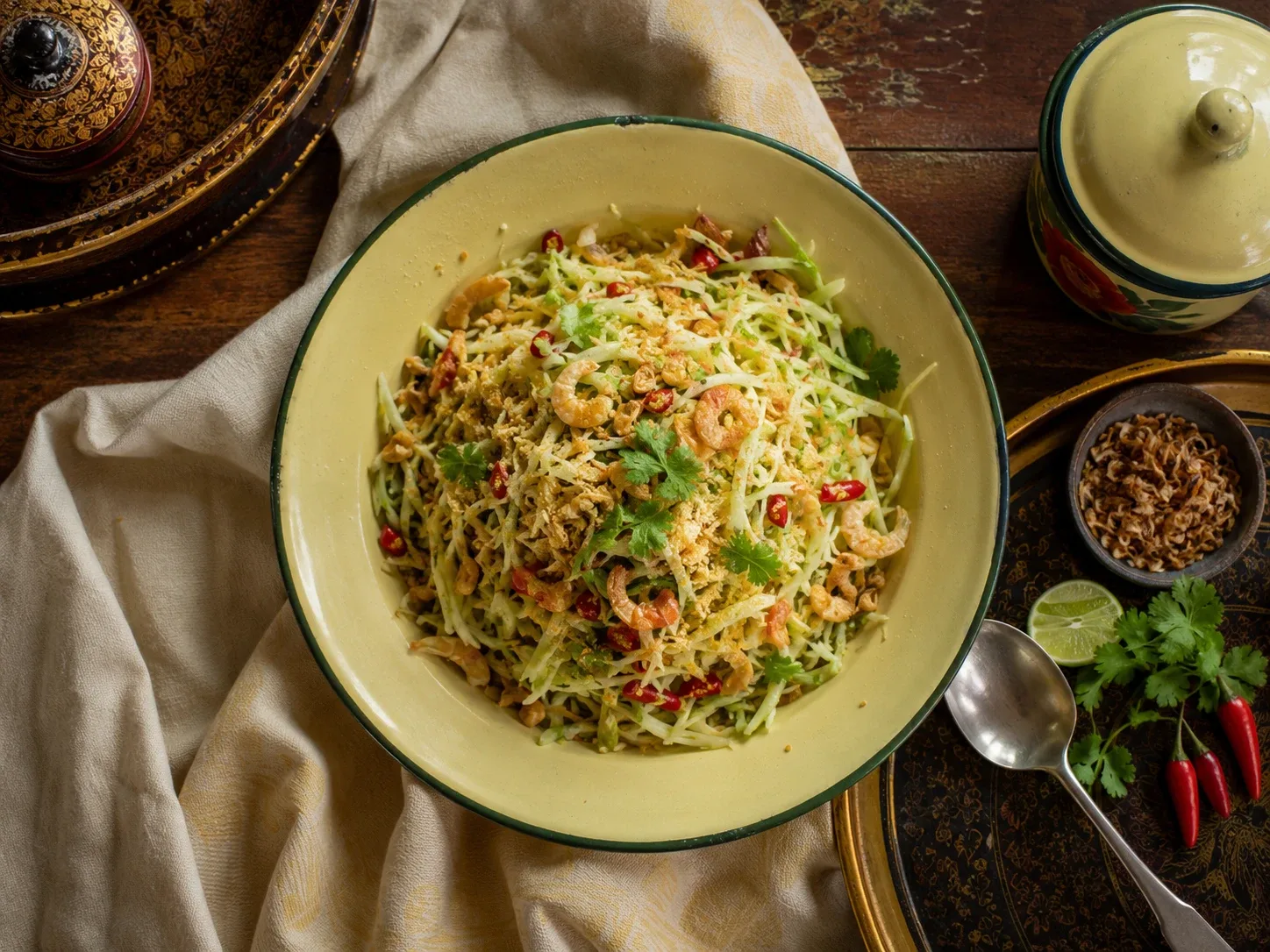
Thayet Thi Thanat, Green Mango Pickle-Saladသရက်သီးသနပ်
Tart, crunchy green-mango shreds dressed with fried garlic oil, chili, dried shrimp, and toasted chickpea flour — the sour thanat that cuts a heavy Burmese meal.
 ၄
၄Salads & Thoke · 20 min · Beginner
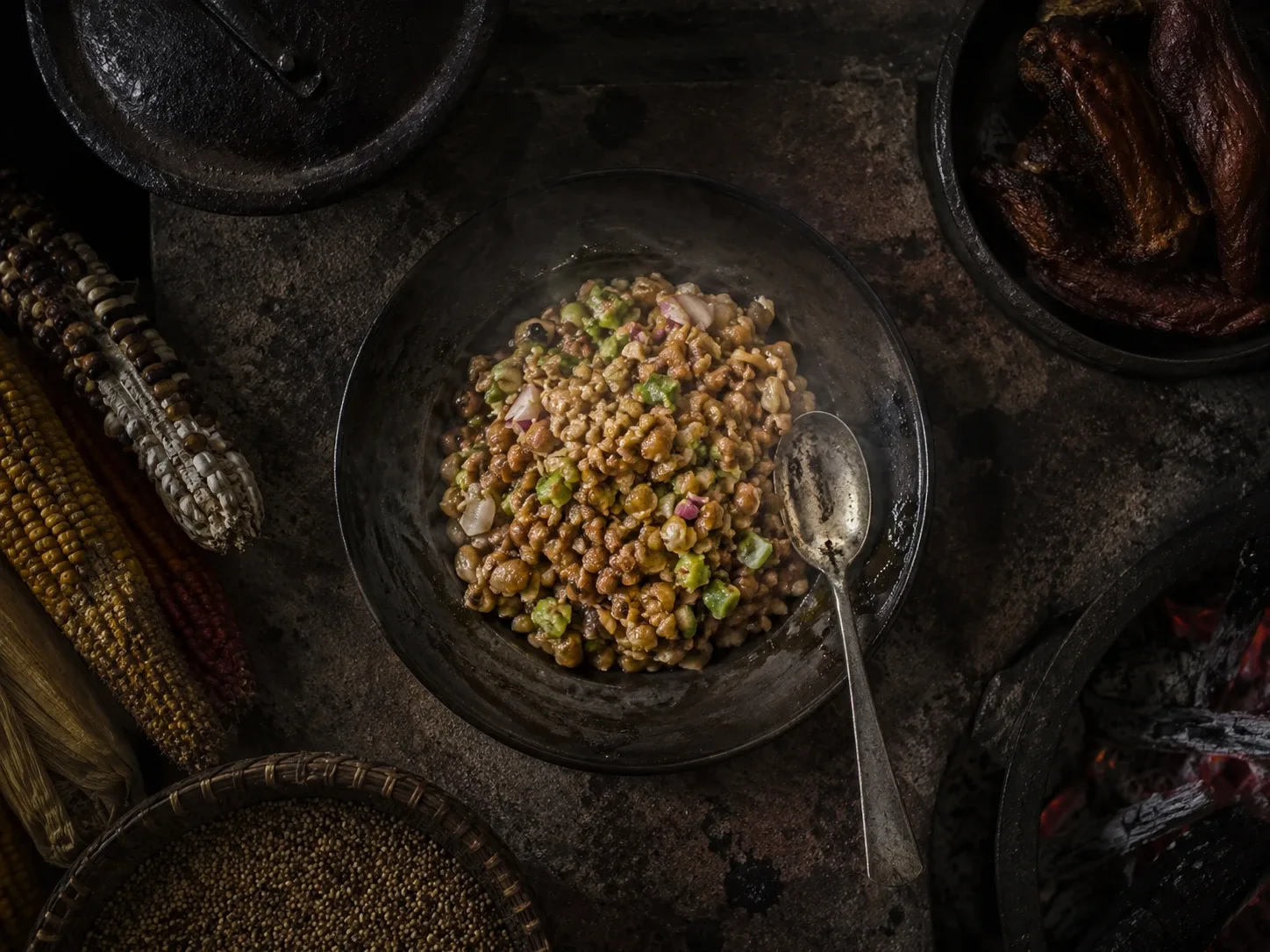
Bekang Rawt, Fermented Soybean Salad
Fermented soybeans pounded with shallots, green chili, and salt — the Chin hills' pungent everyday salad, a mountain cousin of natto, eaten with hot rice.
 ၁
၁Rice & Foundations · 210 min · Intermediate
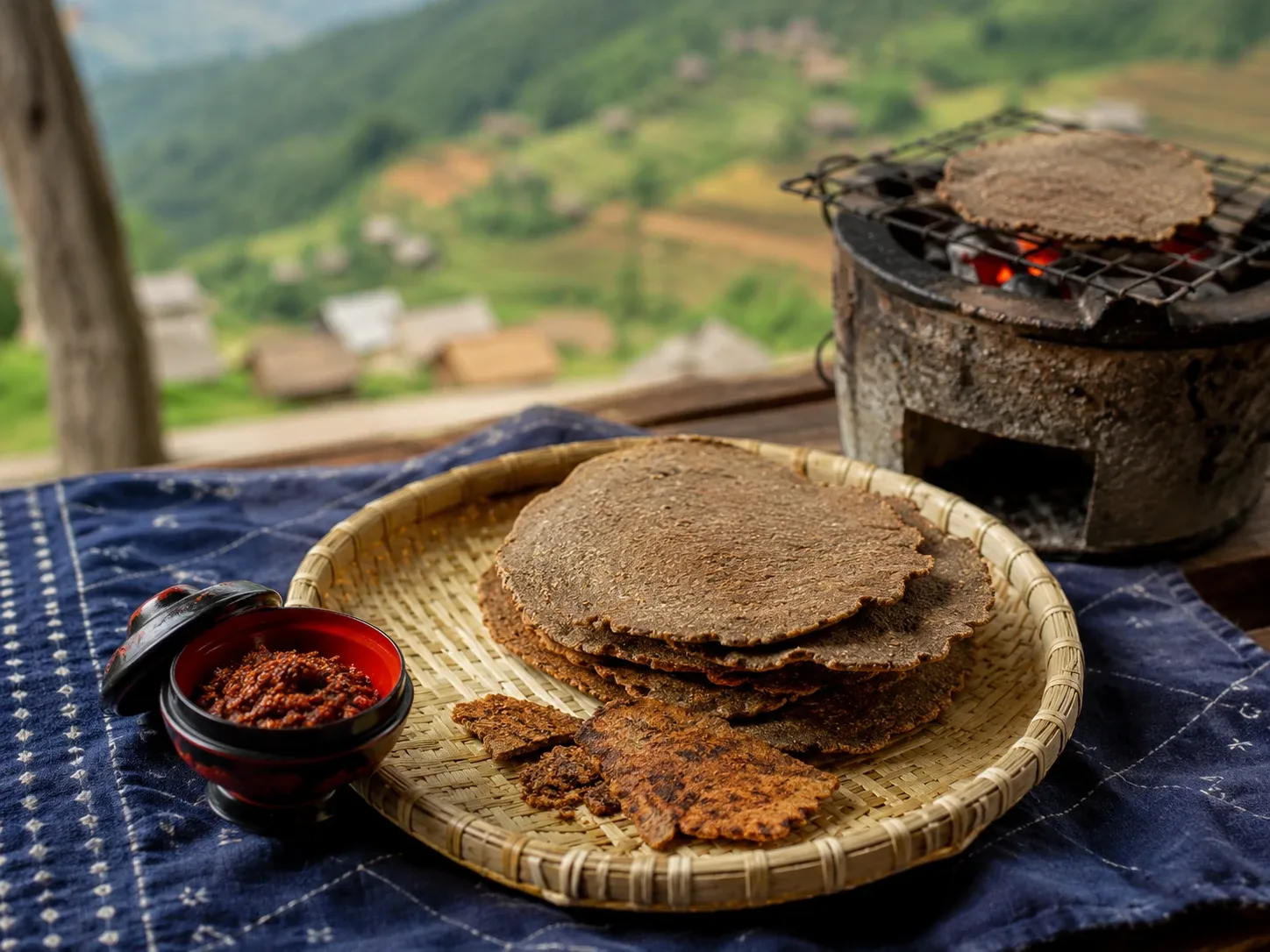
Tua Nao, Shan Fermented Soybean Discsပဲပုပ်
Shan State's seasoning backbone — soybeans boiled, fermented, pounded, and sun-dried into discs you toast over flame and crumble into everything.